How Can We Measure and Study Human Error? (Coursera)

How Can We Measure and Study Human Error? (Coursera)

Course 2 teaches you how to distinguish between different methods for studying human error. You will also learn about human-centered design and usability, and how to compare and contrast different methodologies for evaluating the usability of products, technologies & systems.

Class Deals by MOOC List - Click here and see Coursera's Active Discounts, Deals, and Promo Codes.

This course is part of the Human Factors & Usability Engineering: Designing for Humans Specialization.

What you'll learn
Learn how to distinguish methods for studying human error and analyze methodologies for evaluating the usability of products, technologies & systems.

Syllabus

Course Introduction
In this course, you will gain the skills to distinguish between various research methods, understand their strengths and weaknesses, and explore human-centered design principles. By the end of Course 2, you will be well-equipped to conduct comprehensive research and evaluation to optimize human interactions within complex systems.

Module 1: Methods for Studying Human Error - Part I
In this module, we will explore the fundamental concepts and methods used in research and evaluation. We will begin by examining various research methods for studying human performance and human error. We will then delve into the process of hypothesis testing and the key elements of a research study or experiment. Additionally, we will discuss the effects that need to be accounted for, such as confounding variables, placebo effect, and framing. By the end of this module, you will have a solid foundation in research methods and hypothesis testing, enabling you to design and conduct effective studies in the field of human factors.

Module 2: Methods for Studying Human Error - Part II
In this module, we will continue our exploration of different methods for studying human error. Building upon the foundational knowledge from Module 1, we will delve deeper into advanced techniques and approaches used to analyze and understand human errors in various domains. By examining case studies, research papers, and expert insights, you will enhance your understanding of the complexities involved in studying human error and develop a comprehensive toolkit of research methods.

Module 3: Intro to Usability & Human-centered Design
This module provides an overview of usability and human-centered design. It explores key components of usability, such as learnability, efficiency, memorability, errors, and satisfaction. The module also covers the concept of affordances and their impact on user interactions. Additionally, learners gain insights into human-centered design principles, including empathy mapping and the iterative design process.

Module 4: Methods for Evaluating Usability
In Module 4, we delve into the methods for evaluating usability, focusing on usability research and methodology. We explore how to assess the usability of products and technology in various domains and examine the findings from research conducted in these areas.


Go to Class
MOOC List is learner-supported. When you buy through links on our site, we may earn an affiliate commission.

Related Courses

Human-Centered Design: an Introduction (Coursera) Coursera
University of California, San Diego

Human-Centered Design: an Introduction (Coursera)

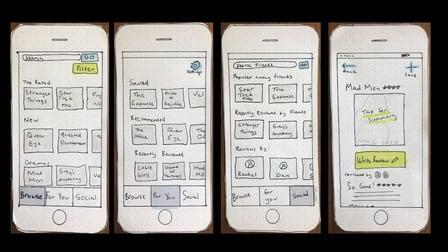
In this course, you will learn how to design technologies that bring people joy, rather than frustration. You'll learn several techniques for rapidly prototyping and evaluating multiple interface alternatives -- and why rapid prototyping and comparative evaluation are essential to excellent interaction design. You'll learn how to conduct fieldwork with people to help you get design ideas. How to make paper prototypes and low-fidelity mock-ups that are interactive -- and how to use these designs to get feedback from other stakeholders like your teammates, clients, and users. Armed with these design-thinking strategies, you’ll be able to do more creative human-centered design in any domain.

Jul 27th 2026
4 Weeks
UX / UI: Fundamentos para o design de interface (Coursera) Coursera
Universidade de São Paulo, Brasil

UX / UI: Fundamentos para o design de interface (Coursera)

Aprenda com uma das maiores startups do Brasil, a Taqtile sobre com criar a melhor experiência para o seu usuário, formas de gerar ideias, princípios básicos de design e como desenvolver interfaces de aplicativos e sites, esse curso introdutório é composto de aulas teóricas com exemplos práticos de aplicação de cada assunto abordado.

Aug 10th 2026
5-12 Weeks
Ergonomics in Design (edX) EdX
The Hong Kong University of Science and Technology - HKUST,HKUSTx

Ergonomics in Design (edX)

The course is designed to provide a basic understanding of ergonomics in design through the introduction of human anatomy, anthropometry, and modeling techniques with the aim of improving safety, productivity, comfort and health of people. Ergonomics is the application of scientific information about people in order to design products and systems so that they are safe, productive, comfortable and healthy for people to use.

Self Paced
Self-Paced
Making a Paper Prototype for a Mobile App (Skillshare) Skillshare
Skillshare

Making a Paper Prototype for a Mobile App (Skillshare)

In this class you will learn how to make a paper prototype of a mobile app for early stage usability testing. Testing paper prototypes can save time in the design process by catching problems early on, before recreating the design digitally in an application like Sketch or Figma. We’ll go over: Why paper prototypes are useful; When you might make one, and what you should know beforehand; How to make a paper prototype step by step (This is the class project).

Self Paced
Self-Paced
Mobile Design and Usability for Android (Udacity) Udacity
Udacity,Facebook

Mobile Design and Usability for Android (Udacity)

Learn how to design an intuitive, user-centered mobile app. Featuring Facebook's experts in User Research and Product Design, this course walks you through the steps to design a new mobile product that puts users first. You'll learn how to use data collected from users to guide prototyping, and conduct user testing with a production app to guide a future redesign.

Self Paced
Self-Paced
Acessibilidade dos Conteúdos Digitais (NAU) NAU
AMA - Agência para a Modernização Administrativa

Acessibilidade dos Conteúdos Digitais (NAU)

Aceda a uma série de recursos que o vão ajudar a construir o seu website adaptado às necessidades de quem o visita, com o curso de Acessibilidade dos Conteúdos Digitais. O curso "Acessibilidade dos Conteúdos Digitais (Da Declaração de Acessibilidade e Usabilidade ao Selo de Excelência)" tem como objetivo principal apresentar uma primeira abordagem às boas práticas e aos requisitos de Acessibilidade e Usabilidade digital, bem como às ferramentas ao dispor para garantir a sua aplicação nos sítios Web da Administração Pública.

Self Paced
Self-Paced
Mobile Design and Usability for iOS (Udacity) Udacity
Udacity,Facebook

Mobile Design and Usability for iOS (Udacity)

Learn how to design an intuitive, user-centered mobile app. Featuring Facebook's experts in User Research and Product Design, this course walks you through the steps to design a new mobile product that puts users first. You'll learn how to use data collected from users to guide prototyping, and conduct user testing with a production app to guide a future redesign.

Self Paced
Self-Paced