EdX

Going Out on a Limb: Anatomy of the Upper Limb (edX)

Going Out on a Limb: Anatomy of the Upper Limb (edX)

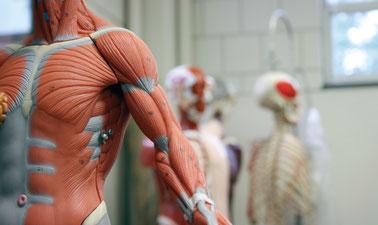
Take a tour through the inner-workings of the upper limb with Penn’s award winning Anatomy Professor, Dr. James S. White. Anatomy lab isn’t just for first year medical students anymore. With this online anatomy course, anyone can learn about the upper limb, without the cadaver. This course will serve as your introduction to the anatomy of the upper limb.

Class Deals by MOOC List - Click here and see EdX's Active Discounts, Deals, and Promo Codes.

We’ll start with basic human anatomical terminology and apply that knowledge to examining the bones of the upper limb and how they articulate at joints. You will also learn about the muscles that produce movement at those joints in addition to the innervation and blood supply of the upper limb.

What you'll learn:

  • Anatomical terminology
  • Bones and muscles of the upper limb
  • Actions of each upper limb muscle
  • Innervation and blood supply of the upper limb

Syllabus

Week 1 – The Language of Anatomy
Overview
Anatomic Terminology and Limb Regions
Osteology and Skeletal Anatomy; Muscle Actions
Muscle Attachments; Planes of Motion
Week 2 – Innervation and Blood Supply of the Upper Limb
The Nervous System: Overview
The Brachial Plexus: Motor Innervation
The Brachial Plexus: Sensory Innervation; Blood Supply
Week 3 – The Scapula
Elevation and Depression
Protraction, Retraction, Medial Rotation, and Lateral Rotation
Week 4 – The Glenohumeral Joint
Structure of the Joint; Flexion and Extension
Abduction, Adduction, and the Rotator Cuff
Week 5 – The Elbow and Wrist
Elbow: Flexion, Extension, Supination, and Pronation
Wrist: Structure of the Joint; Flexion and Extension
Week 6 – The Hand
Bony Structure, the Carpal Tunnel, and Extrinsic Muscles of the Hand
Intrinsic Muscles of the Hand
Extrinsic and Intrinsic Muscles of the Thumb
Go to Class
MOOC List is learner-supported. When you buy through links on our site, we may earn an affiliate commission.

Related Courses

Implant Dentistry (edX) EdX
University of Hong Kong,HKUx

Implant Dentistry (edX)

Learn Implant Dentistry from world-class specialists and researchers! Join the state of art in the biology, the technology and clinical management in implant dentistry today! Follow leading specialists, researchers and teachers of Implant Dentistry from more than 10 countries around the world led by HKU's Implant Dentistry MOOC team to explore the biology, the technology and clinical management in implant dentistry today.

Self Paced
Self-Paced
Advanced Cardiac Imaging: Cardiac Magnetic Resonance (CMR) (edX) EdX
University of Hong Kong,HKUx

Advanced Cardiac Imaging: Cardiac Magnetic Resonance (CMR) (edX)

First ever cardiac magnetic resonance (CMR) MOOC! Learn the CMR essentials through short videos, downloadable cases & web forums. Available in multiple languages & follows guidelines for level 1 requirements. This course is for radiologists, cardiologists, radiographers/ technologists and other health professionals who want to learn more about cardiovascular magnetic resonance imaging (CMR). Previous experience in CMR is not required.

Self Paced
Self-Paced
Anatomy of the Abdomen and Pelvis; a journey from basis to clinic. (Coursera) Coursera
Leiden University,Leiden University Medical Center

Anatomy of the Abdomen and Pelvis; a journey from basis to clinic. (Coursera)

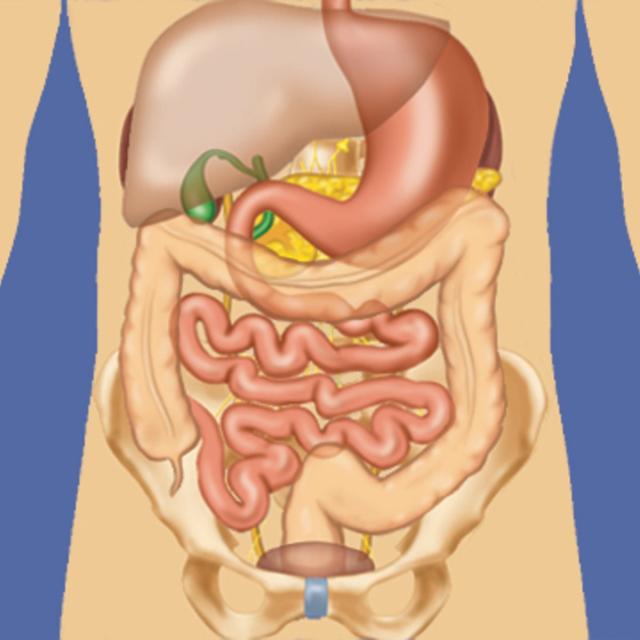
In this anatomy course you will explore the organs involved in our food digestion and discover the common causes of abdominal and pelvic pain. The latest graphics and animations will help you to find new insights and understanding of this part of the body, that has been the focus of anatomical research for centuries and presently arouses renewed scientific interest. You will explore the 3D anatomy of the organs from a basic level, providing thorough anatomical understanding, to its advanced application in surgical procedures.

Nov 2nd 2026
5-12 Weeks
Psychological First Aid (Coursera) Coursera
Johns Hopkins University

Psychological First Aid (Coursera)

Learn to provide psychological first aid to people in an emergency by employing the RAPID model: Reflective listening, Assessment of needs, Prioritization, Intervention, and Disposition. Utilizing the RAPID model (Reflective listening, Assessment of needs, Prioritization, Intervention, and Disposition), this specialized course provides perspectives on injuries and trauma that are beyond those physical in nature. The RAPID model is readily applicable to public health settings, the workplace, the military, faith-based organizations, mass disaster venues, and even the demands of more commonplace critical events, e.g., dealing with the psychological aftermath of accidents, robberies, suicide, homicide, or community violence.

Nov 2nd 2026
5-12 Weeks
Take Your Medicine: Developing New Drug Products (edX) EdX
University of Texas at Austin,UTAustinX

Take Your Medicine: Developing New Drug Products (edX)

Discover how new drugs are developed, tested, approved and marketed. Medicine has eradicated or eased the symptoms of many diseases. This course reveals how new drugs go from research innovation to a medicine that can be prescribed to patients. You’ll learn the process, challenges and issues in developing pharmaceutical products.

No sessions available
4 Weeks
Fundamentos de anatomía y técnica quirúrgica básica (edX) EdX
Universidad del Rosario,URosarioX

Fundamentos de anatomía y técnica quirúrgica básica (edX)

Aprende de una manera creativa y divertida cómo está constituido el cuerpo humano a través de casos clínicos seleccionados basados en hechos históricos reales. Además conocerás las bases anatómicas para la práctica de algunos procedimientos de emergencias que pueden llegar a salvar vidas.

Self Paced
Self-Paced
Foundations of Originator and Biosimilar Biologics: for Patients and Caregivers (edX) EdX
University of Toronto,University of TorontoX

Foundations of Originator and Biosimilar Biologics: for Patients and Caregivers (edX)

Developed by leading researchers and clinicians from across Canada, this course will enhance knowledge and skills for patients who are using, or beginning to use, an originator or biosimilar biologic medicine. This course aims to provide knowledge and skills for patients on the topic of biosimilars, a class of biologic drugs or medical therapies that are highly similar to an existing originator medication that is off patent.

Self Paced
Self-Paced
Introduction to Bioethics (edX) EdX
Georgetown University,GeorgetownX

Introduction to Bioethics (edX)

Introduction to Bioethics explores some of the most difficult - and fascinating - moral challenges we face in health, medicine, and emerging technologies. Should we clone humans? Who owns our DNA? How much control should we have over how and when we die? When does medical treatment turn into medical enhancement — and should we care? Is rationing health care good, bad, necessary — or all of the above? This course will explore fundamental moral issues that arise in medicine, health, and biotechnology.

No sessions available
13-24 Weeks
Anatomy: Cardiovascular, Urinary, and Respiratory Systems (edX) EdX
University of Michigan,MichiganX

Anatomy: Cardiovascular, Urinary, and Respiratory Systems (edX)

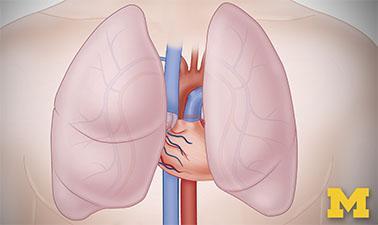
Learn the multifaceted structures and functions of the cardiovascular, urinary, and respiratory systems. This course is a primer for the cardiovascular, respiratory, and urinary systems in which students learn the pertinent details of the structures and functions through a combination of lectures, videos, labeling activities and quizzes.

Self Paced
Self-Paced
Cellular Solids Part 2: Applications in Medicine (edX) EdX
MIT,MITx

Cellular Solids Part 2: Applications in Medicine (edX)

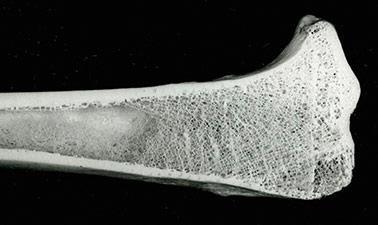
Learn how to apply foam models to trabecular bones and osteoporosis as well as to scaffolds for tissue engineering. In this engineering course, we will explore cellular solids in medicine, including trabecular bone mechanics, the increased risk of bone fracture due to trabecular bone loss in patients with osteoporosis, the development of metal foam coatings for orthopedic implants, applying foam models to tissue engineering scaffolds and the design of a porous scaffold for tissue engineering that mimics the body's own extracellular matrix.

No sessions available
4 Weeks