In this course, you’ll learn the key components of modern-day investment strategies which utilize fintech. Professors Natasha Sarin and Chris Geczy of the Wharton School have designed this course to help you understand the complex structure of payment methods and financial regulations, so you can determine how fintech plays a role in the future of investing. Through analysis of robo-advising and changing demographic forces, you’ll learn how basic elements of trust underlie complex choice architecture in investments and impact investing.
Class Deals by MOOC List - Click here and see Coursera's Active Discounts, Deals, and Promo Codes.
You’ll also explore payment methodologies and how fintech is emerging as an entrepreneurial solution to both investments and payment systems. By the end of this course, you’ll be able to identify different financial technologies, and understand the dynamic between the innovations and regulations, and employ best practices in developing a fintech strategy for yourself or your business. No prerequisites are required for this course, although a basic understanding of credit cards and other payment methods is helpful.
Course 1 of 4 in the Fintech: Foundations & Applications of Financial Technology Specialization.
Syllabus
WEEK 1
Overview of FinTech & Market Size
This module was designed to give you foundational overview of FinTech and robo-advising. You’ll identify the main goals of fintech and forecast the future of robo-advising by discussing Vanguard’s Personal Advisor Services. Through defining the market size, you’ll learn key areas in which fintech and financial apps have gained traction. And finally, you will analyze the reported valuations of selected robo-advisors and observe the growth of fintech in both insurtech and global markets. By the end of this module, you’ll be better able to assess the value of FinTech and robo-advising, and gain a better understanding of the future of fintech in various financial markets.
WEEK 2
Key Considerations in FinTech
In this module, you’ll examine new attitudes towards financial advice and trust in the financial industry. Through close examination of the financial behaviors of millennials, you’ll gain a deeper understanding of the effects of technology in changing personal financial practices. You’ll also explore the emergence of risk aversion and impact investing due to changing ideas about the purpose of businesses. Then you’ll discuss the key components and characteristics of both a successful financial advisor and financial algorithms. By the end of this module, you will better understand the future of investing, and be able to utilize trust to overcome volatile markets and navigate complex decisions.
WEEK 3
Payments
In this module, you’ll be introduced to the foundations of payment methods, and focus more closely on the history and regulation of payments. You’ll begin by examining the history and current global trends in payment methods by analyzing UnionPay. Then you’ll look at the evolution of credit cards, the two-sided payment markets, and the inherent issues of the credit card payment system. You’ll learn key aspects behind complex payment processes, the regulation behind payment methods, and promising solutions from fintech for concerns in the credit card market. By the end of this module, you’ll have a richer understanding of the growth of payment systems and their regulations, and of the impact of fintech in the future of payment systems.
WEEK 4
Regulation
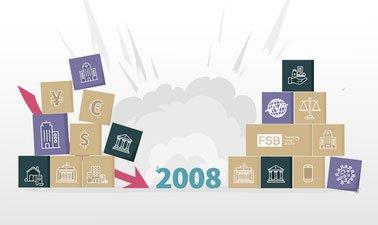
In this module, you’ll be introduced to the concerns and innovations in financial regulation and focus more closely on the emergence of fintech. By discussing theoretical criticisms of regulation, you’ll gain a better understanding behind balance between regulation and innovation and the tradeoffs that come with the balance. Through analyzing the Great Recession of 2008 and its impact on regulations in the financial industry, you’ll study the emergence of fintech as an entrepreneurial solution for financial businesses. Through identification of fintech and outlining its massive growth, you will evaluate the main benefits and issues within this the emerging field. By the end of this module, you’ll be able to identify how regulations manage innovative approaches, and employ best practices of utilizing fintech in your organization while understanding the global landscape of fintech regulation