EdX

Cyberbullying-An Overview (edX)

Cyberbullying-An Overview (edX)

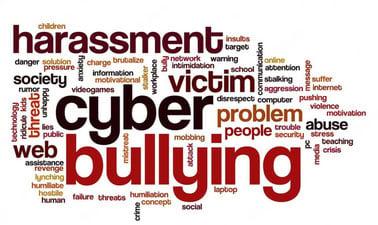
Cyberbullying is the use of technology to repeatedly harass, humiliate, or threaten an individual or group. This can include, but is not limited to, actions such as sending threatening messages, posting embarrassing photos or videos, and spreading rumors online. Cyberbullying has become a growing concern among parents, educators, and lawmakers as technology continues to advance and become more ingrained in our daily lives. One of the main concerns with cyberbullying is that it can happen at any time and anywhere, as long as the bully has access to a device connected to the internet.

Class Deals by MOOC List - Click here and see EdX's Active Discounts, Deals, and Promo Codes.

Cyberbullying has disastrous consequences which are sometimes irreparable and it needs to be addressed. It is affecting everyone irrespective of age , gender and location. Cyber bullying is a serious issue as it is creating a lot of mental stress which results in anxiety , self–doubt and depression and thereby affecting the whole personality of a person.
Cyberbullying is the use of technology, such as the internet and social media, to harass, intimidate, or harm someone. This type of bullying can take many forms, including sending mean or threatening messages, posting embarrassing photos or videos, or creating fake profiles to impersonate someone. Cyberbullying can be especially harmful because it can be done anonymously and can reach a wide audience quickly. Cyberbullying includes sending, posting, or sharing false , negative, harmful, or mean content about someone else. It may include sharing of personal or private information about someone else causing embarrassment or humiliation. Sometimes it crosses, the line into unlawful or criminal behaviour.
The mentioned below are some common places where cyberbullying generally occurs : -
Social Media, such as Facebook, Instagram, Snapchat, Tik Tok or any such other platforms
Through text messaging and some messaging apps on mobile or tablet devices
Instant or direct messaging, and online chat over the internet
Online forums, chat rooms, and message boards, such as Reddit etc.,
Online gaming communities
Through emails
Nowadays, with the prevalence of social media and digital forums, comments, photos, posts, and content shared by individuals can often be viewed by strangers as well as acquaintances. The content an individual shares online, both their personal content as well as any negative, mean, or hurtful content creates a permanent public record of their views, activities, and behaviour. This public record can be thought of as an online reputation, that may be accessible to employers, educational institutes, clubs, and others who may be researching about an individual. It also harms the online reputations of everyone involved in or participating in it.
To hide their identity the bullies generally use fake profiles or anonymous accounts. It makes very difficult for the law enforcement authorities to trace the bully and make accountable for their actions.
There are steps that parents and educators can take to prevent and address this issue. One of the most important is to educate children and young adults about the dangers of cyberbullying and how to recognize it. Parents and educators should also monitor their children’s online activity and encourage them to be open and honest about any cyberbullying they may be experiencing. This can help parents and educators intervene early, before the situation escalates.
Another important step is to work with schools and law enforcement to develop policies and protocols for dealing with cyberbullying. This can include creating a system for reporting cyberbullying and ensuring that victims receive the support and resources they need to heal and move forward.
Cyberbullying is a threat to one's productivity, motivation level and creates mental stress. The primary objective of the course is to give a complete idea on cyberbullying, discuss different forms of cyber bullying and how to address them in an efficient manner. The course will also discuss about various causes of cyberbullying and the impacts like social, mental, and physical health of a person in detail along with the preventive and reporting mechanisms.

What you'll learn
Learning about cyberbullying can help you understand the impact it can have on individuals and communities, and how to recognize and prevent it. Cyber bullying is a great danger to the society. It causes harm to people and results negatively for, both, the bully and the victim. Being knowledgeable about cyberbullying definitely beneficial in various fields, such as social work, education, workplace or technology, where you may encounter and need to address the issue. Cyberbullying is a growing concern for people of all ages and backgrounds. As we are more and more dependent on digital technologies and social media, it is important for everyone to be aware of the potential negative consequences and take steps to prevent it.

Syllabus

Chapter 1:Introduction to Cyberbullying
Section 1: About the course
Section 2: Brief Objective
Chapter 2: Forms of Cyberbullying
Section 1 Cyberstalking, Trickery, Trolling
Section 2: Persistent Cyberbullying
Section 3: Permanent Cyberbullying
Section 4: hard to notice
Chapter 3: Causes of Cyberbullying
Section 1: Overview of causes of Cyber Bullying
Section 2: Lack of empathy, self loathing, Addiction
Section 3: Lack of Internet Experience
Section 4: lack of Parental Monitoring
Chapter 4: Impacts of Cyberbullying
Section 1: Various Impact of cyber bullying
Section 2: Social impact
Section 3: Impact on Mental Health
Section 4: Impact on Physical Health
Chapter 5: Preventing and Reporting of Cyberbullying incidents
Section 1 : Preventive measures of Cyber bullying
Section 2 : Reporting of Cyberbullying incidents

Go to Class
MOOC List is learner-supported. When you buy through links on our site, we may earn an affiliate commission.

Related Courses

Strategies for Assisted Living Communities during COVID-19 (Coursera) Coursera
Johns Hopkins University

Strategies for Assisted Living Communities during COVID-19 (Coursera)

SARS-CoV-2, the virus that causes COVID-19, poses a high risk for assisted living communities due to residents’ age, health status, and communal living environment. The COVID-19 response has largely focused on nursing homes, leaving assisted living communities in the United States with fragmented guidance on how to respond to COVID-19 challenges. This course provides comprehensive instruction and resources for administrators and direct-care staff of assisted living communities.

Sep 14th 2026
1 Week
The Social Context of Mental Health and Illness (Coursera) Coursera
University of Toronto

The Social Context of Mental Health and Illness (Coursera)

Learn how social factors promote mental health, influence the onset and course of mental illness, and affect how mental illnesses are diagnosed and treated. This course explores how our understanding of mental health and illness has been influenced by social attitudes and social developments in North America and around the world. The course begins by situating our contemporary mental health practices in historical context, then looks at different aspects of mental health, mental illness and mental health services and their connections to what’s going on in our social environment.

Sep 14th 2026
5-12 Weeks
AP® Psychology - Course 5: Health and Behavior (edX) EdX
The University of British Columbia,UBCx

AP® Psychology - Course 5: Health and Behavior (edX)

Learn about the relationship between stress and physical and mental health and the treatment of abnormal behavior, including psychological disorders. This psychology course is all about the relationship between health and behavior. We will examine stress as a concept and learn about its relation to health and psychological adjustment. We will discuss abnormal behavior and how psychologists assess it as well as a wide range of psychological disorders and approaches to their treatment.

Self Paced
Self-Paced
Autism and Mental Health (edX) EdX
Curtin University,CurtinX

Autism and Mental Health (edX)

Learn to promote your own good mental health, celebrate individuality, strengths, and skills associated with autism, and recognise when you may need extra support. This course provides autistic people and those around them with the knowledge and skills to navigate the relationship between autism and positive mental health outcomes.

Self Paced
4 Weeks
Public Health in Humanitarian Crises 2 (Coursera) Coursera
Johns Hopkins University

Public Health in Humanitarian Crises 2 (Coursera)

This course, Public Health in Humanitarian Crises 2, addresses public health issues of people affected by disasters, both natural or conflict-related. It discusses the many changes that occur in people’s lives when they are uprooted by a disaster, including many important topics related to humanitarian crises, such as when there is an epidemic a public health emergency; what do we mean with the humanitarian development nexus; what are the basics of disaster epidemiology and surveillance; humanitarian principles; and other very relevant topics. We will explore what humanitarian interventions could look like if we want to mitigate the effects of disasters.

Aug 31st 2026
5-12 Weeks
Mind Control: Managing Your Mental Health During COVID-19 (Coursera) Coursera
University of Toronto

Mind Control: Managing Your Mental Health During COVID-19 (Coursera)

Never in the history of humanity have so many people been feeling intense anxiety related to COVID-19 and the world it will leave in its wake. The intent of this course is to give you a deeper understanding of the anxiety reaction as it relates to various aspects of our current life, ranging from our consumption of news to the way we talk to our children about this. I will also give you clear strategies for managing and, in fact, turning off the anxiety response at least for short periods.

Sep 7th 2026
4 Weeks
Well and Able - Improving the Physical Health of People with Intellectual Disability (edX) EdX
University of Queensland,UQx

Well and Able - Improving the Physical Health of People with Intellectual Disability (edX)

Learn how to help those with intellectual disability achieve better health. This health course will examine the specific physical health issues that affect people with an intellectual disability including, oral health, syndrome specific health issues, health communication, especially for non-verbal patients, sexual health, and interactions between tertiary and primary healthcare systems. There is a special section on complex care including issues associated with aging and spasticity, and the health impacts of epilepsy.

Self Paced
Self-Paced
Fondements du rétablissement (edX) EdX
Université de Montréal,UMontrealX

Fondements du rétablissement (edX)

Le rétablissement en santé mentale, c’est beaucoup plus que l’absence de maladie ou de troubles psychiques. Il s'agit en fait bien davantage d’un processus de changement continu par lequel les personnes avec l’expérience vécue d’un problème de santé mentale améliorent globalement leur santé et leur bien-être, mènent une vie autonome, et s'évertuent à réaliser leur plein potentiel.

Self Paced
Self-Paced
Stress First Aid for Healthcare Workers: A Peer Support Tool (Coursera) Coursera
Duke University

Stress First Aid for Healthcare Workers: A Peer Support Tool (Coursera)

Stress First Aid (SFA) is a peer support toolkit designed to preserve life, prevent further harm, and promote recovery. Stress First Aid offers a flexible menu of options for recognizing and addressing stress reactions. It can be used for self-care, to help co-workers with stress reactions, or to help someone seek other types of support. Stress First Aid is a framework of practical actions that can help reduce the likelihood that stress reactions will develop into more severe or long-term problems.

Sep 14th 2026
4 Weeks
Mentaliser : de la théorie à l’intervention clinique (Coursera) Coursera
University of Geneva

Mentaliser : de la théorie à l’intervention clinique (Coursera)

Que signifie « Mentaliser » ? Comment cette faculté se développe-t-elle ? En quoi cette notion est incontournable pour comprendre les interactions humaines ? Qu’apporte-t-elle aux pratiques en santé mentale ? Toutes ces questions seront abordées dans notre MOOC « Mentaliser : de la théorie à l’intervention clinique ».

Sep 7th 2026
5-12 Weeks