Climate Justice: Lessons from the Global South (FutureLearn)

Offered by UNESCO,
Climate Justice: Lessons from the Global South (FutureLearn)

Understand how we can balance human needs with caring for the planet with this free online course about climate change. Climate change is a global problem we all must face. This course will deal with some of the key issues related to the ethical dimensions implied by climate change – learning especially from the problems faced as well as the resilience models formulated by the marginalized sectors of society or the so-called “Global South”.

Class Deals by MOOC List - Click here and see FutureLearn's Active Discounts, Deals, and Promo Codes.

Understand the environmental problems and proposed solutions by the Global South
Although the populations of the Global South have least contributed to the greenhouse gas emissions that have exacerbated the negative effects of climate change, they are also the ones who are most vulnerable to extreme weather conditions such as droughts, floods, typhoons, sea-level rise and desertification. Needless to say, these phenomena have profound social implications that may harm future generations.
This situation raises some major ethical questions:

  • To what extent are human beings entitled to exploit nature for their needs and interests?
  • What kind of shared responsibility is appropriate in addressing climate change?
  • How can we respond to the adverse effects of climate change being experienced by the peoples of the Global South?

The effects of climate change disasters, however, are not only confined to the global south but are also felt by the more affluent sectors of societies or the Global North.
In order to achieve a more sustainable world where nature can continue to support the aspirations for better living conditions for future and disadvantaged generations, a notion of justice that balances the ecological integrity of nature and the human beings’ rights to live and enjoy the fruits of their labor must be formulated.

Learn about climate justice
Following the recommendation of UNESCO’s World Commission for the Ethics of Science and Technology (COMEST) in the promotion of Biological and Cultural Diversity as starting point of Climate Change Ethics, UNESCO is currently pioneering a worldwide reflection on the ‘ethical principles in relation to climate change’. Along the same line, within its philosophy programme, in 2014 UNESCO published the “Manual of Philosophy – A South-South Perspective”. This Manual sheds a new light on the singularity of some major philosophical texts and traditions from the Global South.
This course has been built upon these two major undertakings. It will propose a notion of climate justice that balances the ecological integrity of nature, on the one hand, while supporting the biological and economic needs of human populations, on the other hand. Human needs and ecological integrity, therefore, need not be opposing but more supportive of one another in so far as human beings allow nature to regenerate herself by regulating their excessive consumption of natural resources.
The course proposes groundbreaking reflections on Climate Justice, within the contexts of Biological and Cultural Diversity and the Precautionary Principle, while exploring the Global South’s approaches.

Explore how humans can balance their needs with the needs of the planet
At the end of the course, you’ll learn about the various practices of frugality in the global south and enable you to adapt these practices to your own circumstances in view of contributing to the needs of the most vulnerable populations of society.
You will also be able to imagine different ways of extracting natural resources without compromising the regenerating capacity of nature to sustain herself and thus continuously support the needs of all human beings.


Go to Class
MOOC List is learner-supported. When you buy through links on our site, we may earn an affiliate commission.

Related Courses

Tackling Environmental Challenges for a Sustainable Future (FutureLearn) FutureLearn
University of York

Tackling Environmental Challenges for a Sustainable Future (FutureLearn)

Discover how environmental research can inform how we respond to and solve the major global environmental issues of today. Explore sustainable solutions to environmental issues like changing glaciers. Our energy use is unsustainable, we’re producing waste plastic that’s endangering oceans, and large parts of the natural world are disappearing. We know our planet is facing huge environmental challenges, but what are we doing to solve them?

Self Paced
4 Weeks
Environmental Challenges: Justice in Natural Resource Management (FutureLearn) FutureLearn
University of Leeds

Environmental Challenges: Justice in Natural Resource Management (FutureLearn)

How do we ensure that the difficult decisions about the management of natural resources are just and fair for all? When looking at different societies and cultures around the world, it is interesting how ubiquitous the principles of justice are. It is part of our human nature to think about equality, and consider fairness as something that we do naturally. However, in practical terms, equality is hard to achieve.

Self Paced
2 Weeks
Gender and Labour in the Global South (FutureLearn) FutureLearn
University of Basel,University of Bern, Interdisciplinary Centre for Gender Studies (ICFG)

Gender and Labour in the Global South (FutureLearn)

Delve into the Global South's labour market to understand gender issues and impacts on sustainable development. Examine gender discrimination in the Global South’s labour market. Although women’s participation in the paid labour market has increased in recent decades, gender discrimination in access to decent work persists. Women, particularly in the Global South, have the lowest participation in the labour market due to a number of factors. This three-week course from the University of Basel will guide you in assessing the Global South’s labour market to understand the impact of gender inequality in labour.

Mar 14th 2022
3 Weeks
Planet Partners: Tackling the Climate Crisis Together (FutureLearn) FutureLearn
University of Reading

Planet Partners: Tackling the Climate Crisis Together (FutureLearn)

Investigate the impact of climate change, the research being done to tackle it, and what you can do to take meaningful action. Explore the different areas affected by climate change. The impacts of climate change are being felt worldwide and across many areas of life. This includes our food, our physical and mental health, where and how we live, wildlife and environmental systems, and political direction.

Self Paced
2 Weeks
From Waste to Value: How to Tackle Food Waste (FutureLearn) FutureLearn
University of Reading,EIT Food,EIT

From Waste to Value: How to Tackle Food Waste (FutureLearn)

Discover the causes and impact of food waste, and learn how you can tackle it on a personal, community, and national level. Explore how combatting food waste and food loss can help the environment. The significant contribution the food system makes to climate change is widely recognised, and consumers are increasingly concerned about food waste. On this course, you’ll explore how you – as a consumer – can act and inspire others to reduce food waste effectively and sustainably.

Feb 6th 2023
3 Weeks
Understanding Climate Change using Satellite Data (FutureLearn) FutureLearn
University of Twente

Understanding Climate Change using Satellite Data (FutureLearn)

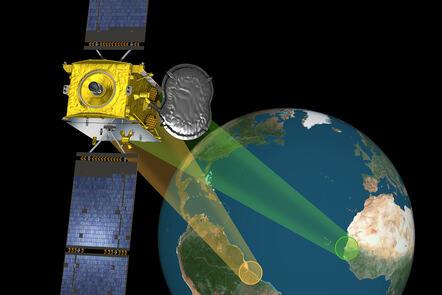
Explore cutting-edge technology and learn how to analyse satellite climate data to help measure and mitigate climate change. Explore the tools that can help with climate change solutions. To accurately study climate change, assess its risks, and mitigate the impact, we need systematic observations of the climate.

Nov 29th 2021
3 Weeks
Climate Intelligence: Using Climate Data to Improve Business Decision-Making (FutureLearn) FutureLearn
University of Reading

Climate Intelligence: Using Climate Data to Improve Business Decision-Making (FutureLearn)

Build climate resilience in your business as you learn how climate intelligence helps make decisions that mitigate risks. How exposed is your organisation to climate risk? Climate and weather projections hold the data that businesses need both to evaluate the risk climate change poses and to mitigate that risk. However, interpreting this data can be challenging. On this two-week course, you’ll learn how to identify relevant and reliable climate data for your business and explore how that raw data can be converted into information that connects with the particular operational and financial decisions you face.

Self Paced
2 Weeks
One Health: Connecting Humans, Animals and the Environment (FutureLearn) FutureLearn
University of Basel

One Health: Connecting Humans, Animals and the Environment (FutureLearn)

BBecome familiar with One Health, a promising concept, and the effective solutions it provides for urgent health problems. Expand how you address health issues, learning from top One Health experts. In today’s globalised world, old diseases persist and new illnesses spread faster than ever thanks to interconnected ecosystems and the close ties between humans and animals.

Oct 9th 2023
5-12 Weeks
Innovation in Arable Farming: Technologies for Sustainable Farming Systems (FutureLearn) FutureLearn
University of Reading,EIT Food,EIT

Innovation in Arable Farming: Technologies for Sustainable Farming Systems (FutureLearn)

Explore how innovative, digital technologies can help achieve sustainable intensification of arable farming systems. Consider ways arable farmers in the EU can use agri-tech to benefit business. On this course, you’ll explore evidence-based information that outlines the benefits and challenges of adopting new technologies within the EU, and have the chance to read case study examples of some of these applications.

Jan 2nd 2023
3 Weeks
Climate and Energy: An Interdisciplinary Perspective (FutureLearn) FutureLearn
University of Glasgow,CIVIS

Climate and Energy: An Interdisciplinary Perspective (FutureLearn)

Explore climate change issues from an interdisciplinary perspective to find innovative solutions for a better future. Gain interdisciplinary skills for climate change solutions. On this four-week course, you’ll join educators from ten universities on a virtual field trip to a remote Swedish island to gain perspectives on climate and energy from a multitude of disciplines.

Self Paced
4 Weeks
Teaching Climate Change (FutureLearn) FutureLearn
National STEM Learning Centre,ESERO-UK,ESERO Ireland

Teaching Climate Change (FutureLearn)

Learn how to teach climate change to students aged 11-14 years old and engage them with the ESA Climate Detectives project. Teach the causes of climate change, and how we can mitigate global warming. On this course, you’ll learn how to successfully teach climate change to secondary school students aged 11-14 years old. You’ll learn about the key facts behind the climate crisis, before going on to develop practical learning activities for your pupils.

May 9th 2022
3 Weeks