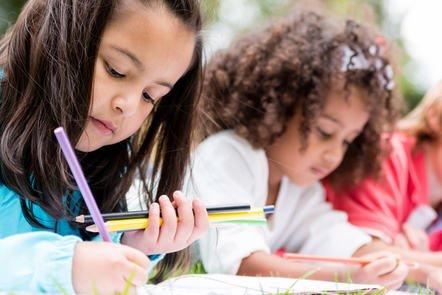
Discover practical ways teachers can transform the education of children and young people living in conflict-affected contexts. Build the knowledge needed to teach children affected by difficult contexts. Teachers play an important role in supporting vulnerable children affected by mass displacement, crisis, and conflict. Refugee children may also be victims of violence and other issues that impact their emotional wellbeing and ability to learn. Teachers need to be prepared to deal with these difficulties.
Class Deals by MOOC List - Click here and see FutureLearn's Active Discounts, Deals, and Promo Codes.
On this course, you will learn how teachers can make a difference to children from challenging contexts. You will discover how to transform learning spaces and educational practices, and you will share your teaching methods and real experiences of teaching in crises with other educators.
What topics will you cover?
Week 1: Educators changing learning environments
Week 2: Understanding learners in context
Week 3: Transforming learning for an unknowable future
Week 4: Digital networks for change
What will you achieve?
By the end of the course, you'll be able to...
- Adapt the learning spaces to respond to the diverse profiles of children/young people and contribute to making education as a transformative process
- Work with the diversity of children and young people’s experiences in the learning spaces to build on their strengths and respond to the challenges to learning
- Reclaim teaching as a profession that promotes an understanding of inclusive prosperity and life with dignity and a hope for a better future
- Engage in the process of co-design and sharing effective educational practices and experiences using digital platforms
- Promote inclusive pedagogical practices among educators who work in the context of mass displacement
Who is the course for?
This course is ideal for teachers in areas affected by mass displacement who work in both formal and informal educational settings. It will also be of interest to teachers who are themselves refugees, students studying education, and volunteers who work humanitarian agencies in education.