Tipping Points: Climate Change and Society (FutureLearn)

Offered by University of Exeter,
Tipping Points: Climate Change and Society (FutureLearn)

Discover how rapid changes to natural systems may make Earth look very different in the future. A tipping point occurs when there’s a shift in the state of a system towards a new equilibrium. We’re now facing tipping points in our climate system that could accelerate the dangerous effects of climate change. Natural systems will change, as will human systems. In future we could see the collapse of the West Antarctic Ice Sheet, dieback of the Amazon or droughts across the Sahel but also behavioural changes and regional warfare.

Class Deals by MOOC List - Click here and see FutureLearn's Active Discounts, Deals, and Promo Codes.

On this course you will explore the concept of tipping points from an interdisciplinary perspective, discovering their role in climate change and the future.

What topics will you cover?

Tipping Points in the Natural World

  • What are ‘tipping points’?
  • Recognising early warning signals for major tipping points
  • Tipping points in the climate system - Arctic, Amazon and Circulation systems

Tipping Points in the Human World

  • Tipping Points and policy
  • Links between tipping points and social systems - Syrian droughts and conflict
  • Positive tipping points - influencing behavioural change and collective action

What will you achieve?
By the end of the course, you'll be able to...

  • Explain what a tipping point is
  • Explore the potential for tipping points to drastically change the climate system
  • Apply your knowledge of tipping points to the Arctic, Amazon and circulation systems
  • Investigate how tipping points might affect your life
  • Debate the relevance of using ‘tipping points’ to shape policy
  • Discuss the concept of tipping points in relation to social systems

Go to Class
MOOC List is learner-supported. When you buy through links on our site, we may earn an affiliate commission.

Related Courses

Understanding Climate Change using Satellite Data (FutureLearn) FutureLearn
University of Twente

Understanding Climate Change using Satellite Data (FutureLearn)

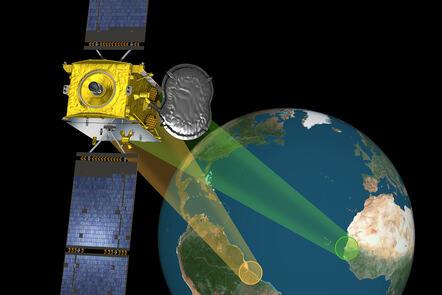
Explore cutting-edge technology and learn how to analyse satellite climate data to help measure and mitigate climate change. Explore the tools that can help with climate change solutions. To accurately study climate change, assess its risks, and mitigate the impact, we need systematic observations of the climate.

Nov 29th 2021
3 Weeks
Learning for a Sustainable Future (FutureLearn) FutureLearn
University of Edinburgh,British Council,Learning for a Sustainable Scotland

Learning for a Sustainable Future (FutureLearn)

Join a personal and professional global learning journey towards a sustainable future. What on Earth could be more important? Grow your knowledge of sustainability. Climate change, gender equality, health, social equity, and inclusion are issues that affect us all, impacting human well-being and economic stability. How to live a sustainable life affects – and connects - us all.

Mar 13th 2023
5-12 Weeks
Water for Liveable and Resilient Cities (FutureLearn) FutureLearn
Monash University

Water for Liveable and Resilient Cities (FutureLearn)

Learn how water can be used in the planning of cities to improve liveability in the face of climate change and population growth. Water plays a central role in almost every aspect of our urban environment and quality of life in our cities. Alarmingly, the combined impacts of rapid population growth and climate change are now posing a severe threat to the liveability and resilience of our cities.

No sessions available
5-12 Weeks
Using Systems Thinking to Tackle the Climate and Biodiversity Crisis (FutureLearn) FutureLearn
University of Reading

Using Systems Thinking to Tackle the Climate and Biodiversity Crisis (FutureLearn)

Discover how switching to a systems mindset could help overcome the global environmental challenges we face today. Take a big picture approach to the climate and biodiversity crisis. With crises as vast, complex, and interconnected as climate change and biodiversity loss, focusing on one aspect of the problem will never be enough. Systems thinking offers a new way of seeing and understanding environmental issues, which could radically change how we go about tackling them. On this two-week course from the University of Reading, you’ll learn what systems thinking is and how it could transform your approach to the climate and biodiversity crisis.

Self Paced
2 Weeks
Planet Earth: Understanding and Protecting our Environment (FutureLearn) FutureLearn
University of Leeds

Planet Earth: Understanding and Protecting our Environment (FutureLearn)

Learn about the physical geography of Earth and discover how to use this knowledge to protect our natural environment. Discover the Earth’s natural systems and how human activity affects them. On this two-week course from the University of Leeds, you will discover the processes of the hydrosphere, the geosphere, and the biosphere and explore the impact of human activity and climate change on our planet.

Self Paced
2 Weeks
Making Climate Adaptation Happen: Governing Transformation Strategies for Climate Change (FutureLearn) FutureLearn
University of Groningen,Global Center on Adaptation

Making Climate Adaptation Happen: Governing Transformation Strategies for Climate Change (FutureLearn)

Explore how adaptive governance could help policymakers plan for and manage sudden environmental changes. Learn the governance tools to respond to climate change. Climate change is one of the biggest challenges facing governing bodies across the globe. On this course, you will be introduced to climate science, the societal effects of climate change, and the responses already available in the form of climate adaptation.

Self Paced
4 Weeks
Climate Intelligence: Using Climate Data to Improve Business Decision-Making (FutureLearn) FutureLearn
University of Reading

Climate Intelligence: Using Climate Data to Improve Business Decision-Making (FutureLearn)

Build climate resilience in your business as you learn how climate intelligence helps make decisions that mitigate risks. How exposed is your organisation to climate risk? Climate and weather projections hold the data that businesses need both to evaluate the risk climate change poses and to mitigate that risk. However, interpreting this data can be challenging. On this two-week course, you’ll learn how to identify relevant and reliable climate data for your business and explore how that raw data can be converted into information that connects with the particular operational and financial decisions you face.

Self Paced
2 Weeks
Climate Solutions: India (FutureLearn) FutureLearn
University of Edinburgh,Climate Solutions,Edinburgh Climate Change Institute(ECCI)

Climate Solutions: India (FutureLearn)

Explore the effects of climate change and how to address the biggest challenge to our civilisation in the 21st century. Tackle the climate emergency in India. Climate Change is one of the greatest threats we face. The impacts of climate change are already being felt around the world, affecting both natural and human systems, and these impacts are expected to become greater in years to come.

Self Paced
5-12 Weeks
Climate and Energy: An Interdisciplinary Perspective (FutureLearn) FutureLearn
University of Glasgow,CIVIS

Climate and Energy: An Interdisciplinary Perspective (FutureLearn)

Explore climate change issues from an interdisciplinary perspective to find innovative solutions for a better future. Gain interdisciplinary skills for climate change solutions. On this four-week course, you’ll join educators from ten universities on a virtual field trip to a remote Swedish island to gain perspectives on climate and energy from a multitude of disciplines.

Self Paced
4 Weeks
Innovation in Arable Farming: Technologies for Sustainable Farming Systems (FutureLearn) FutureLearn
University of Reading,EIT Food,EIT

Innovation in Arable Farming: Technologies for Sustainable Farming Systems (FutureLearn)

Explore how innovative, digital technologies can help achieve sustainable intensification of arable farming systems. Consider ways arable farmers in the EU can use agri-tech to benefit business. On this course, you’ll explore evidence-based information that outlines the benefits and challenges of adopting new technologies within the EU, and have the chance to read case study examples of some of these applications.

Jan 2nd 2023
3 Weeks