I am a professor and mental health researcher and educator, and I’ve been working in the field for over 15 years. Like so many of my colleagues, however, I was unprepared for the wave of mental health challenges that would face our society in 2020. From COVID-19 and the devastating economic impacts of the pandemic to racial justice protests, widespread natural disasters, our current cultural moment presents unprecedented mental health concerns, and particularly for marginalized communities. For this reason, I led a field-wide call to action for mental health research and treatment that resulted in this #TalkMentalIllness course.
Class Deals by MOOC List - Click here and see Coursera's Active Discounts, Deals, and Promo Codes.
I had the opportunity to speak to over 30 experts from different domains in psychology research, practice, and popular public figures and to discuss the causes and cutting-edge treatments for many serious disorders, the stigma surrounding mental illness in our culture, systemic inequality in mental health treatment, and the mental health challenges of today.
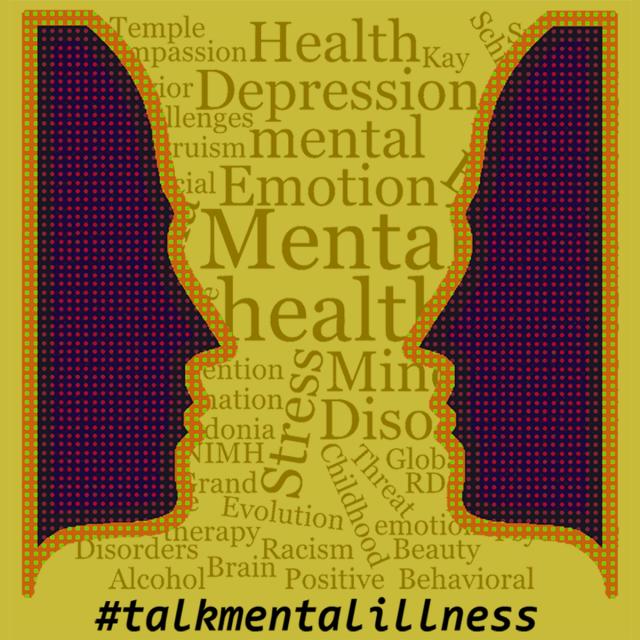
#talkmentalillness curates the interviews from the Mental Health Experts series into an accessible learning experience that will help you have conversations about mental health. Talking about mental illness is both the content and desired outcome of this course, as you will use what you learn from my interviews with mental health experts to guide your own discussions about mental health challenges and treatments with family members, friends, colleagues, and other people in your life. The course will begin by presenting a core set of definitions for mental illness and analyzing the stigma associated with it. We will then apply these topics to specific psychological disorders, including anxiety and mood disorders, eating disorders, suicide, substance use, and psychosis. We will then consider how these issues disproportionately impact marginalized groups and communities of color. The course will conclude by considering innovative approaches to psychological treatments and how the pursuit and science of happiness inform mental health and wellness.
This course is part of a broader educational mission to share the science of mental illness with both students and the public, both locally and globally. I have designed and created it in collaboration with the Office for Academic Innovation and Libraries’ Media Services Team at the University of Colorado Boulder.
- June Gruber
What You Will Learn
- You will be able to talk about mental illness and the stigma surrounding it, as well as describe common psychological disorders and their treatments.
- You will be able to describe the relationship between racism and systemic inequality and mental health treatment.
- You will be able to apply the science of happiness to your own life.
Syllabus
WEEK 1
Public Perceptions of Mental Illness
In the first week of #talkmentalillness, you will learn about public perceptions of mental illness and analyze the stigma associated with it. This week features interviews with leading public figures including Temple Grandin, public advocate for autism and author of The "Autistic Brain: Thinking Across the Spectrum"; Kay Redfield Jamison, international bipolar disorder expert and author of "Unquiet Mind" and "Touched with Fire"; Stephen Hinshaw, author of "Mark of Shame" and award-winning clinical psychology professor and Gordon Nagayama-Hall who discusses the influence of culture on mental health perception, diagnosis and treatment. Optional interviews include Mitchell Prinstein on communicating mental health to the public and Aaron Fisher on precision behavioral health.
WEEK 2
Specific Psychological Disorders
The second week of #talkmentalillness will feature the latest insights into specific psychological disorders. This includes first-hand insights from Greg Siegle on the brain and depression, Linda Craighead on eating-related disorders, Bunmi Olatunji, an expert in the cognitive mechanisms and treatment for anxiety disorders, and Sheri Johnson, who is at at the forefront of emotion-related impulsivity and bipolar disorder. Optional interviews include Lee Anna Clark on personality disorders, Jutta Joormann on depression and cognition, Wendy Heller on anxiety disorders, Jonathan Rottenberg on depression and emotion, and Judy Garber on internalizing disorders.
WEEK 3
Serious Mental Illness
The third week of #talkmentalillness delves into severe mental illness, including suicide, schizophrenia, substance abuse, and psychopathy. This includes first-hand discussion on the critical topic of suicide with MacArthur Genius awardee Matthew Nock, alcohol use disorders with Lara Ray, Diane Gooding examining the psychosis spectrum and early warning signs, and Abigail Marsh, author of "The Fear Factor", who speaks on psychopathy. Optional interviews include former president of the Association for Psychological Science, Robert Levenson, sharing his first-person observations into severe mental illness, suicide treatment and prevention expert Lauren Weinstock, and Deanna Barch providing new understandings of motivational systems that underlie and give rise to schizophrenia.
WEEK 4
Disproportionate Impacts on Marginalized Communities
The fourth week of #talkmentalillness considers how mental illness disproportionately impacts marginalized groups and communities of color, as well vulnerable youth and family communities. Steven Lopez will tackle mental health disparities in Latinx communities, Lauren Ng discusses the field of global mental health and disproportionate impacts in developing nations, April Thames addresses mental health disparities among minoritized groups, and Kate McLaughlin discusses the relationship between stress and trauma as risk factors predicting greater mental health vulnerability. Optional interviews include Darby Saxbe on family systems and hormones, Jane Mendle on puberty and mental health, and Jessica Borelli on parent-child relationships.
WEEK 5
Evidence-based Approaches to Treatments & the Science of Happiness
The fifth and final week of #talkmentalillness considers innovative evidence-based approaches to psychological treatments and how the pursuit and science of happiness and emotional wellness informs how we think about mental health. This includes interviews with and Laurie Santos, instructor of the most popular class on the science of well-being in Yale University’s history and director of the Happiness Lab podcast, Director of the Greater Good Science Center and science of happiness expert Dacher Keltner, international cognitive-behavior therapy expert Jacqueline Persons and Thomas Insel, director and founder of Mindstrong Health and former director of the National Institute of Mental Health. Optional interviews include James Gross on emotion regulation and mental health, Steven Hollon on cutting-edge treatments for depression, and Amelia Aldao on cognitive therapy for anxiety. Week 5 concludes with the final project for the course.
Final Project
For the final project for #talkmentalillness, you will share what you've learned in the course or a personal story related to mental illness on social media.