Sistemas agrosilvopastoriles: una alternativa climáticamente inteligente para la ganadería (Coursera)

Sistemas agrosilvopastoriles: una alternativa climáticamente inteligente para la ganadería (Coursera)

El mundo enfrenta hoy el titánico reto de alimentar a una población creciente en un contexto de cambio climático y con mayores presiones sobre los ecosistemas naturales. En particular, las proyecciones indican que el consumo de carne a nivel mundial se duplicará en los próximos 20 años por el incremento de la población, del ingreso y por cambios en los patrones de consumo. La demanda para carne de calidad seguirá incrementando a una tasa del 5% anual en países en desarrollo durante las próximas cuatro décadas con lo cual la presión sobre los bosques no desaparecerá.

Class Deals by MOOC List - Click here and see Coursera's Active Discounts, Deals, and Promo Codes.

A la par, el desarrollo de la ganadería representa una fuente de alimento y recursos económicos para miles de familias rurales. En números llanos, una tercera parte de la población mundial depende de la agricultura para su supervivencia y el 60% de los agricultores también son ganaderos. La ganadería proporciona ingresos y alimento a mil millones de personas pobres y para muchos campesinos en condición de pobreza, el ganado es una fuente de energía como fuerza de tiro, un medio de transporte, una fuente esencial de fertilizante orgánico para cultivos agrícolas, provee subproductos como la lana y el cuero, y funge como un mecanismo de ahorro y capital en momentos de necesidad económica, por ejemplo mediante la venta o el intercambio de un animal en caso de ser necesario.
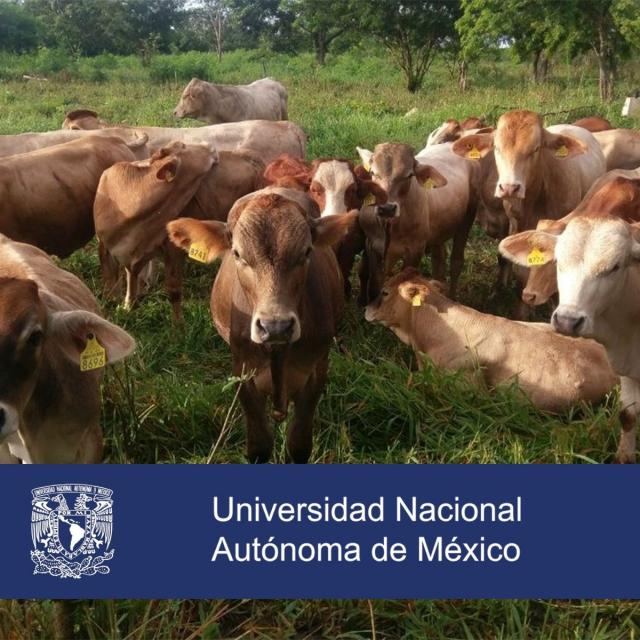
En este curso, ofrecido por la UNAM, se abordan los beneficios y retos de la ganadería y la necesidad de transitar hacia nuevos esquemas de producción más amigable con el ambiente. Asimismo, profundiza en los sistemas agrosilvopastoriles como alternativas productivas sociales y ambientalmente viables, así como rentables que no sólo repercuten en el bienestar a nivel local sino que contribuyen al cumplimiento de metas globales de desarrollo sostenible. A lo largo del curso, se presentarán conceptos clave tales como “ganadería climáticamente inteligente”, “buenas prácticas ganaderas”,“manejo integral del paisaje” y los “servicios ecosistémicos”.

Syllabus

WEEK 1
Importancia de la ganadería convencional y su problemática para el desarrollo sostenible
¿Sabías que una tercera parte de la población mundial depende de la agricultura para su supervivencia y el 60 % de los agricultores también son ganaderos? Así es, la ganadería es fundamental porque proporciona ingresos y alimento a mil millones de personas pobres. Sin embargo, también produce más emisiones de Gases Efecto Invernadero que todo el transporte a nivel mundial, de acuerdo a la Organización de las Naciones Unidas para la Alimentación y la Agricultura (FAO). De todos los usos humanos, la ganadería utiliza la mayor porción de superficie terrestre. En este módulo veremos la importancia de la ganadería y sus grandes impactos en términos de deforestación, cambio climático, uso y contaminación del agua, degradación de suelos y pérdida de biodiversidad.

WEEK 2
Ganadería climáticamente inteligente
Después de un recorrido por efectos negativos que tiene una ganadería mal manejada sobre el medio ambiente, en este módulo platicaremos sobre una nueva forma de hacer y ver la producción ganadera. La Ganadería Climáticamente Inteligente es una respuesta a la problemática actual: busca que la ganadería sea más productiva, permita la adaptación al cambio climático y contribuya a reducir las emisiones a través de un manejo adecuado.

WEEK 3
Los sistemas agrosilvopastoriles, caracterización y viabilidad
En este módulo se explica en qué consisten los sistemas agrosilvopastoriles y cuáles son sus principios básicos. Posteriormente, se puntualizan los diversos arreglos que pueden implementarse y cómo se complementan prácticas y componentes para que el arreglo funcione como un sistema integral, maximizando los beneficios productivos y ambientales.

WEEK 4
Beneficios económicos, sociales y ambientales y su aporte a metas globales para el desarrollo
Los sistemas agrosilvopastoriles son sistemas complejos y altamente funcionales, como ya platicamos en el módulo anterior. En este módulo se puntualizan sus beneficios ambientales, económicos y sociales en un plano local y regional. En un nivel más amplio, las acciones que se realicen tienen un impacto que contribuye a cumplir los objetivos de desarrollo sostenible, las metas para la conservación y combate al cambio climático. En el módulo se explican dichos aportes a nivel internacional.
Go to Class
MOOC List is learner-supported. When you buy through links on our site, we may earn an affiliate commission.

Related Courses

Ethics in Action (edX) EdX
SDGAcademyX,SDG Academy

Ethics in Action (edX)

What do the world’s great religious and secular philosophies have to say about ethical conduct? Which virtues are common across faiths? And what role do religious communities have to play in building a more just and sustainable world? The challenges of sustainable development are more than technical or political—they are also moral, calling on us to examine who we are as human beings, and who we want to be going forward.

Self Paced
Self-Paced
The ABC of sustainability (Coursera) Coursera
Campus BBVA

The ABC of sustainability (Coursera)

The sustainability agenda is currently key to companies, governments and citizens. It’s vital for people to have first-hand knowledge of the basic concepts in order to understand all issues related to sustainability as a vector of systemic change in the economy, society, companies and our lives. The course is an introduction to sustainability, regarded as a cross-cutting discipline in our society (in the public and private international spheres) that’s based on the most updated public information on economic, social and environmental issues.

Jul 20th 2026
4 Weeks
Climate Change and Resilience in Food Systems (FutureLearn) FutureLearn
University of Leeds,Africap

Climate Change and Resilience in Food Systems (FutureLearn)

Learn new research-led strategies designed to mitigate the effects of climate change on agriculture and food systems. Learn about the effects of climate change and how to build resilience in agriculture and food systems. Even small climate changes can have large-scale consequences in agriculture and food systems with devastating effects for the people and their economies. On this course, you will learn strategies designed to mitigate the impact of climate change, develop resilient food systems and create sustainable development in local communities.

Self Paced
2 Weeks
Achieving Sustainable Development (FutureLearn) FutureLearn
Trinity College Dublin

Achieving Sustainable Development (FutureLearn)

Explore the challenges of sustainable development. See the impact of UN Sustainable Development Goals on real people. Consider the impact that UN Sustainable Development Goals could have. Governments of the world have signed up to the Sustainable Development Goals (SDGs), a UN initiative for international development. They are targets for improving the world by 2030, including: health, environment, education, and security. But will they have an impact on the lives of people?

Self Paced
4 Weeks
Sustainable Development - Ideas and Imaginaries (Coursera) Coursera
University of Copenhagen

Sustainable Development - Ideas and Imaginaries (Coursera)

Ideas and imaginaries inspire human capacity for great endeavours, but ‘conventional wisdom’ frequently prevents necessary change. Achievement of global sustainable development is, therefore, dependent on a profound comprehension of the preunderstandings and implicit imaginaries that form both our perception of reality and our basic confidence in the viability of transgressive action.

Jul 27th 2026
4 Weeks
Sustainable Development in the 21st Century with Ban Ki-moon (Coursera) Coursera
Yonsei University

Sustainable Development in the 21st Century with Ban Ki-moon (Coursera)

The course is designed for people that want to learn about the latest development agenda the international community agreed to achieve by 2030. Structured around the five pillars of Agenda 2030 – people, prosperity, planet, peace and justice, and partnership, students will learn that these pillars are interconnected and need to be integrated in practical policy-making and operational activities for development, in both developed and developing country settings.

Jul 20th 2026
5-12 Weeks
From the Ground Up: Managing and Preserving Our Terrestrial Ecosystems (edX) EdX
SDGAcademyX,SDG Academy

From the Ground Up: Managing and Preserving Our Terrestrial Ecosystems (edX)

How can we preserve, restore, manage and sustainably use terrestrial ecosystems? Join us as we explore this question in the Brazilian Amazon and around the world. In this course, you’ll learn the science behind the capacities of various ecosystems including extinction rates, desertification and how their physical makeup has evolved with environmental shifts. You’ll experience the lives of local populations dependent upon these resources, from their economic activities to their societal norms.

Self Paced
Self-Paced
Sustainable Urban Development (edX) EdX
Wageningen University,Delft University of Technology,DelftX,WageningenX

Sustainable Urban Development (edX)

Learn why cities are key in resolving global urbanization and sustainability challenges and how you can engineer tomorrow’s cities today. Did you know that cities take up less than 3% of the earth’s land surface, but more than 50% of the world’s population live in them? And, cities generate more than 70% of the global emissions? Large cities and their hinterlands (jointly called metropolitan regions) greatly contribute to global urbanization and sustainability challenges, yet are also key to resolving these same challenges.

Self Paced
Self-Paced
Paths to a Sustainable Future (Coursera) Coursera
ESSEC Business School

Paths to a Sustainable Future (Coursera)

This MOOC is an introduction to social and ecological transition. Ecological issues (climate change, loss in biodiversity, scarcity of resources, etc.) and their social consequences (growing inequalities, poverty, conflicts, forced migrations, etc.) call upon us to promote a paradigm shift, to redesign our production and consumption patterns, as well as our lifestyles. This is what transition is all about.

Aug 3rd 2026
4 Weeks
Sport for Sustainable Development: Designing Effective Policies and Programmes (FutureLearn) FutureLearn
The International Platform on Sport and Development,Commonwealth Secretariat,Australian Department of Foreign Affairs and Trade - DFAT

Sport for Sustainable Development: Designing Effective Policies and Programmes (FutureLearn)

Explore the ways in which sports can actively contribute to the advancements of the Sustainable Development Goals. Learn how to make a positive impact through sport. Sport has been recognised as an enabler of the Sustainable Development Goals (SDGs) by governments globally. Organisations worldwide are using sport to contribute to this agenda, addressing issues ranging from health and education to employment, and conflict resolution.

Self Paced
4 Weeks
Animals and Institutions (Coursera) Coursera
University of Colorado Boulder

Animals and Institutions (Coursera)

This course explores animals within the context of the functional relationships that sociologists call “institutions.” We first examine the use of animals in laboratory science. We then examine the controversial transformation of animals into “livestock” and "meat." We also explore the perspectives of people committed to rejecting the construction and use of animals as food.

Jul 27th 2026
4 Weeks