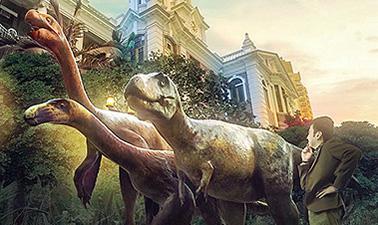
A global adventure to learn how palaeontologists use animal and plant fossils as well as living forms to reconstruct dinosaur ecosystems. 一个环球的探索,了解古生物学家如何运用动植物化石以及现存生物来重建远古恐龙的生态系统。Una aventura global para aprender cómo los paleontólogos utilizan fósiles de animales y plantas, así como organismos vivientes, para reconstruir los ecosistemas en donde vivían los dinosaurios。
Class Deals by MOOC List - Click here and see EdX's Active Discounts, Deals, and Promo Codes.
The course has a maximum 5 rating and has been taken by learners from 120+ countries. The course was a Finalist of the 2018 edX Prize for Exceptional Contributions in Online Teaching and Learning.
Ever wondered what it would be like to live in the world of dinosaurs? Yes? Well here’s your chance!
Using the Late Cretaceous fossil site of Erlian, China as an example, we bring you to the Gobi desert, as well as leading international museums and institutions to find out how we reconstruct dinosaur ecosystems.
This biology and life science course will focus on the knowledge we can gain from studying animals and plants. You will learn about a dinosaur’s biology including their appearance, classification and diet. We will take a close look at the mostly meat eating theropod dinosaurs, as well as the main plant eating dinosaurs, the sauropodomorphs and ornithischians. At the end of the course, you will learn how palaeontologists use fossil and modern evidence to reconstruct dinosaurs and their ecosystems.
The course is brought to life with the help of award-winning palaeoartist Julius T. Csotonyi and is led by HKU’s vertebrate palaeontologist Dr Michael Pittman in collaboration with his esteemed colleague Professor Xu Xing of the Institute of Vertebrate Paleontology and Paleoanthropology, Beijing, and Dr Diego Pol of the Museo Paleontologico Egidio Feruglio, Trelew, Argentina. A range of guests from around the World will also share their expertise during the course.
本课程获得最高的5星评级,学员来自超过120多个国家/地区。本课程还入选2018年edX大奖最后10强名单以表扬对网上教学和学习领域的杰出贡献。
想体验一下活在恐龙世界里是怎样吗?
参加我们的免费网上学习课程,感受与恐龙同行的震撼! 以中国二连浩特白垩纪晚期的化石地层作为一个例子,我们将带您来到戈壁沙漠、著名国际博物馆及研究所去探究我们如何重建恐龙的生态系统。 此生物及生命科学课程着重于研究动物和植物。您将会认到识恐龙生物学,包括恐龙的外观、分类和食物。我们将关注近乎全肉食性的兽脚类恐龙,以及主要的草食性恐龙、蜥脚形亚目和鸟臀目恐龙。在本课程的末段,您将会了解到古生物学家如何运用化石和现代的证据来重建恐龙和它们的生态系统。 本课程有赖屡获殊荣的古生物复原画家Julius T. Csotonyi的帮助才得以面世,并由香港大学古脊椎动物学家文嘉棋博士、北京古脊椎动物与古人类研究所徐星教授及阿根廷古生物埃吉迪奧費格奧博物館Diego Pol博士共同领导。世界各地不同领域的专家也将在本课程中分享他们的专业知识。
El curso posee una calificación máxima de 5* y ha sido tomado por personas de más de 120 países. El curso fue finalista en del "2018 edX Prize for Exceptional Contributions in Online Teaching and Learning".
¿Alguna vez te preguntaste cómo sería vivir en el mundo de los dinosaurios? ¿Sí? ¡Bueno, ésta es tu oportunidad!
Utilizando el yacimiento fosilífero de Erlian (China) como ejemplo, te llevamos al Desierto del Gobi y a museos e instituciones de diferentes países para mostrarte cómo reconstruimos los ecosistemas de los dinosaurios.
Este curso de biología y ciencias de la vida se centrará en el conocimiento que Podemos obtener al estudiar animales y plantas. Aprenderás acerca de la biología de los dinosaurios, incluyendo su apariencia, clasificación y dieta. Examinaremos en detalle a los mayormente carnívoros dinosaurios terópodos, así como a los más importantes dinosaurios herbívoros, los sauropodomorfos y los ornitisquios. Al finalizar el curso, aprenderás cómo los paleontólogos utilizan el registro fósil y evidencia de animales vivientes para reconstruir a los dinosaurios y a sus ecosistemas.
El curso revive a los dinosaurios con la ayuda del premiado paleoartista Julius T. Csotonyi y está guiado por Dr. Michael Pittman, paleontólogo de vertebrados de la HKU, en colaboración con grandes colegas como el Professor Xu Xing del Institute of Vertebrate Paleontology and Paleoanthropology (Beijing, China) y el Dr. Diego Pol del Museo Paleontológico Egidio Feruglio (Trelew, Argentina). También participan del curso una gran cantidad de invitados de diferentes partes del mundo, quienes comparten su conocimiento sobre los dinosaurios.
What you'll learn:
- Dinosaur biology
- How palaeontologists reconstruct ancient ecosystems using fossil and modern evidence
- The traits and significance of a Late Cretaceous dinosaur ecosystem
- 恐龙生物学
- 古生物学家如何运用化石及现代证据重建远古的生态系统
- 白垩纪晚期恐龙生态系统的特点
- Biología de los Dinosaurios
- Cómo los paleontólogos reconstruyen ecosistemas del pasado utilizando evidencia fósil y del mundo moderno
- Las características y significancia de un ecosistema del Cretácico Tardío poblado por dinosaurios
Syllabus
Week 1: Course overview and introduction to dinosaurs
Overview of the course, including an introduction to the Late Cretaceous course field site in Erlian, China. Introduction to dinosaur biology from their appearance, classification and diet to their evolution and extinction.
Weeks 2 & 3: Meat eating dinosaurs - theropods
A survey of the theropod dinosaurs discovered in Erlian, including their biology and insights into the preserved ecosystem.
Week 4: Plant eating dinosaurs - sauropodomorph and ornithischian dinosaurs
A survey of Erlian’s herbivores from the dominant hadrosaur ornithischian dinosaurs to rarer sauropodomorph and non-hadrosaur ornithischian dinosaurs. Learn what they tell us about herbivore biology at the time and about the local ecosystem.
Week 5: Living with dinosaurs
A survey of the non-dinosaur reptiles, mammals, fish and invertebrates that lived with the dinosaurs of Erlian. What roles did they play in this ecosystem?
Week 6: Bringing dinosaurs and their ecosystems to life - diet, behaviour and growth and course summary
Find out what evidence palaeontologists use to bring dinosaurs to life in seemingly impossible ways. Also, a summary of the entire course.
第 1 周 : 课 程概述及介 绍 恐 龙
课程概述,介绍位于中国二连浩特白垩纪晚期的考察场地,并从外观、分类和食物以至进化及灭绝方面了解恐龙的生物学。
第 2 及 3 周 : 肉食性恐 龙 - 兽 脚 类 恐 龙
研究在二连浩特发现的兽脚类恐龙,包括它们的生物学和所在地之生态系统。
第 4 周 : 草食性恐 龙 - 蜥脚形 亚 目和 鸟 臀目恐 龙
研究二连浩特的草食性动物,从占有主导地位的鸭嘴龙类鸟臀目以至较为罕见的蜥脚形亚目及非鸭嘴龙类鸟臀目恐龙。了解当时草食性动物的生物学和当地 的生态系统。
第 5 周 : 与 龙 共存
研究生活于二连浩特恐龙时期的非恐龙爬行动物、哺乳类、鱼类和无脊椎动物。它们在当时的生态系统中扮演什么样的角色?
第 6 周 : 重 现 恐 龙 及其生 态 系 统 - 食物、行 为 及生 长过 程和 课 程 总结
了解古生物学家如何运用证据,把恐龙真实的一面带到我们面前以及整个课程的总结。
Semana 1: Síntesis del curso e introducción a los dinosaurios
Síntesis del curso, incluyendo una introducción al yacimiento fosilífero del Cretácico Tardío en Erlian, China. Introducción a la biología de los dinosaurios, desde su apariencia, clasificación y dieta a la evolución y extinción de estas especies.
Semanas 2 & 3: Dinosaurios carnívoros - terópodos
Investigaremos los dinosaurios terópodos descubiertos en Erlian, incluyendo su biología y la información que nos brindan sobre los ecosistemas del pasado.
Semana 4: Dinosaurios herbívoros - sauropodomorfos y ornitisquios
Investigaremos los dinosaurios herbívoros de Erlian, desde los predominantes ornitisquios hadrosaurios a las especies menos abundantes tales como los sauropodomorfos y otros tipos dinosaurios ornitisquios. Aprenderás qué nos cuentan sobre la biología de los herbívoros de esa época y de los ecosistemas locales.
Semana 5: Viviendo con los dinosaurios
Investigaremos los otros reptiles, mamíferos, peces, e invertebrados que vivieron junto a los dinosaurios en Erlian. ¿Qué roles cumplieron en estos ecosistemas?
Semana 6: Reviviendo a los dinosaurios y a sus ecosistemas - dieta, comportamiento y crecimiento. Resumen del curso.
Averiguaremos las asombrosas evidencias que utilizan los paleontólogos para mostrar cómo vivían los dinosaurios. Al finalizar esta semana también realizaremos un resumen de todo el curso.