Diabetic Eye Disease: Building Capacity To Prevent Blindness (FutureLearn)

Diabetic Eye Disease: Building Capacity To Prevent Blindness (FutureLearn)

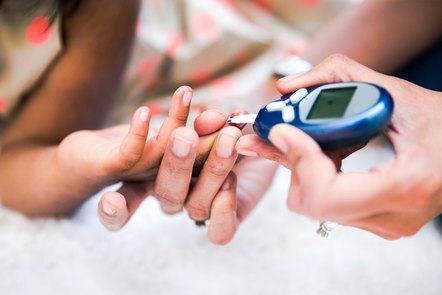
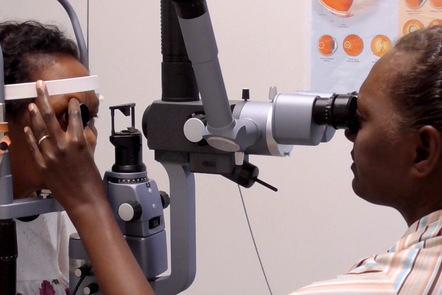
Understand the diabetes challenge and how health professionals can work with people with diabetes to prevent blindness. Gain practical knowledge to reduce risk of vision loss from diabetic eye disease. The number of adults with diabetes is predicted to increase by more than 50% to 642 million by 2040. Diabetic eye disease is a range of ocular complications experienced by people with diabetes. Through this online course you will learn the key facts about diabetic eye disease and its management, and how health teams and people with diabetes can work together to reduce the risk of vision loss and blindness.

Class Deals by MOOC List - Click here and see FutureLearn's Active Discounts, Deals, and Promo Codes.

Recent global trends have found an alarming increase in the magnitude of vision loss due to diabetic retinopathy, highlighting the need to strengthen health services to prevent blindness.
In this online course, you will learn the key facts about diabetic eye disease and its management, and how health teams and people with diabetes can work together to reduce the risk of vision loss and blindness.

What topics will you cover?

  • Classification, natural history, epidemiology and complications of diabetes mellitus and diabetic eye disease, in particular diabetic retinopathy
  • Impact of diabetic eye disease on the individual, society and health services
  • Public health and screening for diabetic eye disease: principles, guidelines and implementation models
  • Partnerships and team approach to prevent blindness from diabetic retinopathy
  • Approaches to provision of screening and grading services
  • Treatment protocols and guidelines for diabetic retinopathy in high and low resourced health systems
  • Monitoring and evaluation approaches for diabetic retinopathy screening

What will you achieve?
By the end of the course, you'll be able to...

  • Describe the classification, natural history, epidemiology and complications of diabetes mellitus.
  • Interpret the classification, pathophysiology and epidemiology of diabetic eye disease and its impact on eye health services and society.
  • Evaluate public health strategies for the control of diabetic eye disease
  • Describe and apply the principles of screening to diabetic retinopathy
  • Explore the models for detection of diabetic retinopathy and their implications within high and low resourced health systems.
  • Evaluate guidelines for grading, screening and monitoring its implementation with the diabetic retinopathy care pathway
  • Identify the barriers and challenges experienced by people living with diabetes to manage their diabetes, and comply with screening and treatment
  • Assess treatment protocols and resources requirements for the management of Diabetic eye disease and its implementation at a programme level
  • Apply the planning tool to strengthen diabetic eye care services at a local level
Go to Class
MOOC List is learner-supported. When you buy through links on our site, we may earn an affiliate commission.

Related Courses

Heart Health: A Beginner's Guide to Cardiovascular Disease (FutureLearn) FutureLearn
University of Reading

Heart Health: A Beginner's Guide to Cardiovascular Disease (FutureLearn)

Learn more about how your heart works, the causes of heart disease and how to keep your heart healthy with this free online course. Learn how to keep your heart healthy. Your heart beats around 100,000 times a day, pumping blood around your body to deliver oxygen and nutrients, while taking away waste products. When your heart is unhealthy, it can’t perform this vital task so effectively.

Self Paced
4 Weeks
Biochemistry: the Molecules of Life (FutureLearn) FutureLearn
University of East Anglia

Biochemistry: the Molecules of Life (FutureLearn)

Explore the impact of biochemistry on bioenergy and health, discovering why graduates are in demand; with the Biochemical Society. Biochemistry brings together all of the sciences to study the chemical and physical processes that occur in living organisms. It truly is the science of life. As a scientific discipline in its own right, biochemistry has a major impact on all areas of the life sciences and biochemists are in high demand among employers.

Self Paced
3 Weeks
Challenges in Antibiotic Resistance: Gram Negative Bacteria (FutureLearn) FutureLearn
British Society for Antimicrobial Chemotherapy - BSAC

Challenges in Antibiotic Resistance: Gram Negative Bacteria (FutureLearn)

This course by BSAC is for healthcare professionals managing infections. You will learn about Gram Negative Bacteria. Identify, diagnose and treat gram negative bacterial infections. Gram negative bacteria (GNB) are a group of bacteria that can cause infection and toxic reaction in patients, yet are difficult to differentiate and treat with antibiotics due to their structure.

Self Paced
3 Weeks
Organ Donation: The Essentials for Healthcare Professionals (FutureLearn) FutureLearn
St George's, University of London,NHS Blood and Transplant

Organ Donation: The Essentials for Healthcare Professionals (FutureLearn)

Understand the key processes regarding organ donation with this course for healthcare professionals, anywhere in the world. Learn about different aspects of organ donation. Despite organ donation being hugely important there is currently limited training for healthcare workforce regarding the complex issues around organ and tissue donation. This course aims to change that.

Self Paced
2 Weeks
Liver Disease: Looking After Your Liver (FutureLearn) FutureLearn
University of Birmingham

Liver Disease: Looking After Your Liver (FutureLearn)

Learn about how your liver works, ways to look after it and how liver damage is caused, studied and treated around the world. We are currently experiencing an international explosion of liver disease that continues to have enormous impact upon healthcare systems and global health. In the UK we have seen a 20% increase in deaths related to liver disease since 2000 and this pattern reflects the global situation.

Self Paced
3 Weeks
Dysphagia: Swallowing Difficulties and Medicines (FutureLearn) FutureLearn
University of East Anglia

Dysphagia: Swallowing Difficulties and Medicines (FutureLearn)

This course will enhance the knowledge of any person involved in the administration of medicines to patients with dysphagia. The course offers an opportunity to network with other learners and with the creators of the course through discussions, graphs and social networking features and to share knowledge with other learners and professionals.

Self Paced
5-12 Weeks
Digital Wellbeing (FutureLearn) FutureLearn
University of York

Digital Wellbeing (FutureLearn)

Do digital technologies affect our wellbeing? Explore the concepts of health, relationships and society in the digital age. Discover how digital technology affects our wellbeing. What is the impact of digital technology on our health, relationships and society? How do we ensure our own digital wellbeing? Explore the answers to these questions and more with this course.

Self Paced
3 Weeks
Developing Clinical Empathy: Making a Difference in Patient Care (FutureLearn) FutureLearn
St George's, University of London

Developing Clinical Empathy: Making a Difference in Patient Care (FutureLearn)

Discover the difference empathy can make to patient care, and improve your own clinical empathy. Understand empathy, and improve your own empathic ability. This course will help you develop an empathic practice that is individualised and attuned to the needs of all patients. You will learn about different types of empathy, explore non-verbal cues, and understand key opportunities for showing empathy in clinical care.

Self Paced
2 Weeks
Digital Health for Cancer Management: Smart Health Technologies in Complex Diseases (FutureLearn) FutureLearn
Taipei Medical University

Digital Health for Cancer Management: Smart Health Technologies in Complex Diseases (FutureLearn)

Learn how new digital health technologies are transforming cancer management with this course for healthcare professionals. Recent advances in cancer treatment and management have lead to people with cancer living longer than ever before, now healthcare must begin to consider how to help people with cancer live healthily. On this course you will explore and discuss how new digital health technologies, like wearables, social media and home sensors, are starting to transform the management of cancer.

Self Paced
4 Weeks