Advanced Neurobiology II (Coursera)

Offered by Peking University,
Advanced Neurobiology II (Coursera)

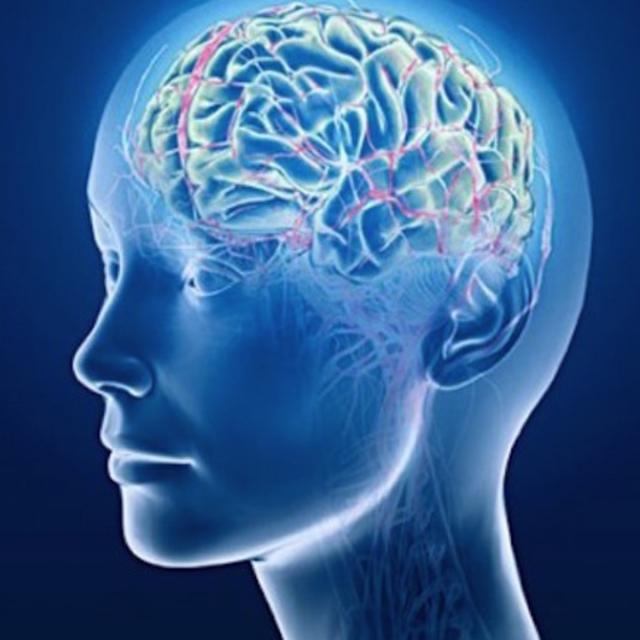
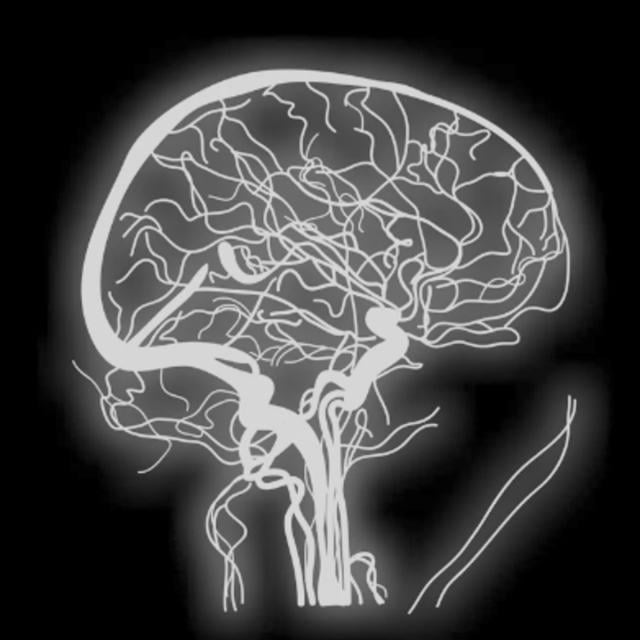
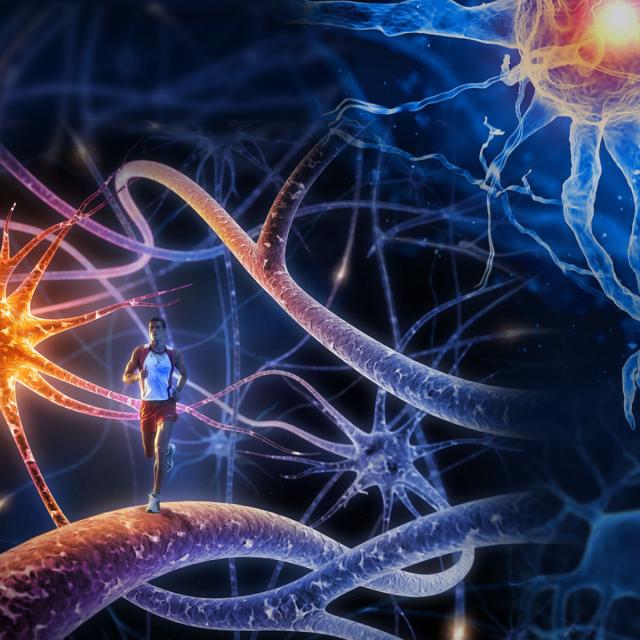
Hello everyone! Welcome to advanced neurobiology! Neuroscience is a wonderful branch of science on how our brain perceives the external world, how our brain thinks, how our brain responds to the outside of the world, and how during disease or aging the neuronal connections deteriorate. We’re trying to understand the molecular, cellular nature and the circuitry arrangement of how nervous system works.

Class Deals by MOOC List - Click here and see Coursera's Active Discounts, Deals, and Promo Codes.

Through this course, you'll have a comprehensive understanding of basic neuroanatomy, electral signal transduction, movement and several diseases in the nervous system.
This advanced neurobiology course is composed of 2 parts (Advanced neurobiology Iand Advanced neurobiology Il). They are related to each other on the content but not on scoring or certification, so you can choose either or both. It’s recommended that you take them sequentially and it’s great if you’ve already acquired a basic understanding of biology.

Syllabus

WEEK 1: Perception: Vision
WEEK 2: Perception: Auditory
WEEK 3: Chemosensory system
WEEK 4: Touch and pain & Sleep amd arousal
WEEK 5: Movement and movement disorders I
WEEK 6: Movement and movement disorders II
WEEK 7: Mood and mood disorders
WEEK 8: Gene and behavior


Go to Class
MOOC List is learner-supported. When you buy through links on our site, we may earn an affiliate commission.

Related Courses

Input and Interaction (Coursera) Coursera
University of California, San Diego

Input and Interaction (Coursera)

In this course, you will learn relevant fundamentals of human motor performance, perception, and cognition that inform effective interaction design. You will use these models of how people work to design more effective input and interaction techniques. You’ll apply these to both traditional graphic and gestural interfaces.

Jun 1st 2026
3 Weeks
Network Dynamics of Social Behavior (Coursera) Coursera
University of Pennsylvania

Network Dynamics of Social Behavior (Coursera)

How do revolutions emerge without anyone expecting them? How did social norms about same sex marriage change more rapidly than anyone anticipated? Why do some social innovations take off with relative ease, while others struggle for years without spreading? More generally, what are the forces that control the process of social evolution –from the fashions that we wear, to our beliefs about religious tolerance, to our ideas about the process of scientific discovery and the best ways to manage complex research organizations?

Jun 8th 2026
5-12 Weeks
Advanced Neurobiology I (Coursera) Coursera
Peking University

Advanced Neurobiology I (Coursera)

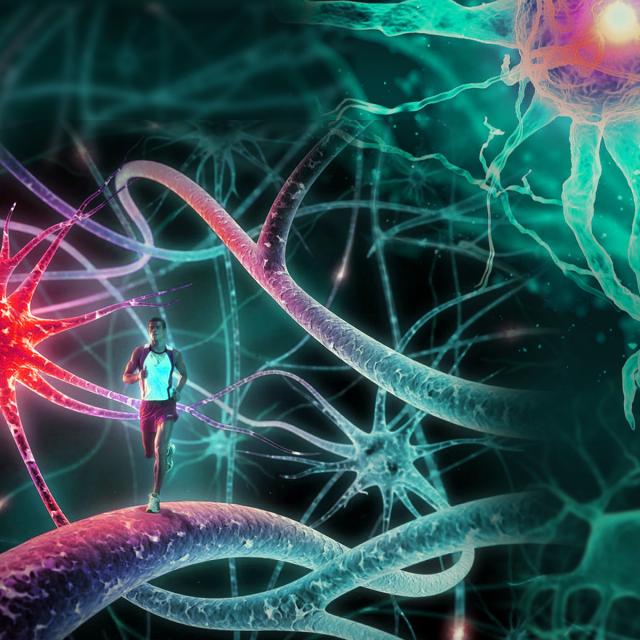
Hello everyone! Welcome to advanced neurobiology! Neuroscience is a wonderful branch of science on how our brain perceives the external world, how our brain thinks, how our brain responds to the outside of the world, and how during disease or aging the neuronal connections deteriorate. We’re trying to understand the molecular, cellular nature and the circuitry arrangement of how nervous system works.

Jun 1st 2026
5-12 Weeks
Introduction to Psychology (Coursera) Coursera
University of Toronto

Introduction to Psychology (Coursera)

This course highlights the most interesting experiments within the field of psychology, discussing the implications of those studies for our understanding of the human mind and human behavior. We will explore the brain and some of the cognitive abilities it supports like memory, learning, attention, perception and consciousness. We will examine human development - both in terms of growing up and growing old - and will discuss the manner in which the behavior of others affect our own thoughts and behavior.

Jun 8th 2026
5-12 Weeks
Introduction to Genetics and Evolution (Coursera) Coursera
Duke University

Introduction to Genetics and Evolution (Coursera)

Introduction to Genetics and Evolution is a college-level class being offered simultaneously to new students at Duke University. The course gives interested people a very basic overview of some principles behind these very fundamental areas of biology. We often hear about new "genome sequences," commercial kits that can tell you about your ancestry (including pre-human) from your DNA or disease predispositions, debates about the truth of evolution, why animals behave the way they do, and how people found "genetic evidence for natural selection." This course provides the basic biology you need to understand all of these issues better, tries to clarify some misconceptions, and tries to prepare students for future, more advanced coursework in Biology (and especially evolutionary genetics). No prior coursework is assumed.

Jun 8th 2026
5-12 Weeks
Diagnosing Health Behaviors for Global Health Programs (Coursera) Coursera
Johns Hopkins University

Diagnosing Health Behaviors for Global Health Programs (Coursera)

Health behavior lies at the core of any successful public health intervention. While we will examine the behavior of individual in depth in this course, we also recognize by way of the Ecological Model that individual behavior is encouraged or constrained by the behavior of families, social groups, communities, organizations and policy makers. We recognize that behavior change is not a simplistic process but requires an understanding of dimensions like frequency, complexity and cultural congruity. Such behavioral analysis is strengthened through the use of a toolkit of theoretical models and practical frameworks.

Jun 8th 2026
4 Weeks
Aprendendo a aprender: ferramentas mentais poderosas para ajudá-lo a dominar assuntos difíceis (em Português) [Learning How to Learn] (Coursera) Coursera
Deep Teaching Solutions

Aprendendo a aprender: ferramentas mentais poderosas para ajudá-lo a dominar assuntos difíceis (em Português) [Learning How to Learn] (Coursera)

Este curso dá-lhe acesso fácil a técnicas de aprendizagem de valor inestimável, usadas por especialistas em Arte, Música, Literatura, Matemática, Ciência, Esportes e muitas outras disciplinas. Vamos aprender sobre a forma como o cérebro usa dois modos de aprendizagem muito diferentes e como ele encapsula (em "pedaços") informações. Também vamos falar sobre ilusões de aprendizagem, técnicas de memória, lidar com a procrastinação, e as melhores práticas apresentadas pela investigação a ser mais eficaz em o ajudar a dominar assuntos difíceis.

Jun 8th 2026
4 Weeks
Philosophy, Science and Religion: Science and Philosophy (Coursera) Coursera
University of Edinburgh

Philosophy, Science and Religion: Science and Philosophy (Coursera)

Philosophy, Science and Religion mark three of the most fundamental modes of thinking about the world and our place in it. Are these modes incompatible? Put another way: is the intellectually responsible thing to do to ‘pick sides’ and identify with one of these approaches at the exclusion of others? Or, are they complementary or mutually supportive? As is typical of questions of such magnitude, the devil is in the details. For example, it is important to work out what is really distinctive about each of these ways of inquiring about the world. In order to gain some clarity here, we’ll be investigating what some of the current leading thinkers in philosophy, science and religion are actually doing.

Jun 1st 2026
5-12 Weeks
An Introduction to Consumer Neuroscience & Neuromarketing (Coursera) Coursera
Copenhagen Business School

An Introduction to Consumer Neuroscience & Neuromarketing (Coursera)

How do we make decisions as consumers? What do we pay attention to, and how do our initial responses predict our final choices? To what extent are these processes unconscious and cannot be reflected in overt reports? This course will provide you with an introduction to some of the most basic methods in the emerging fields of consumer neuroscience and neuromarketing. You will learn about the methods employed and what they mean. You will learn about the basic brain mechanisms in consumer choice, and how to stay updated on these topics. The course will give an overview of the current and future uses of neuroscience in business.

Jun 1st 2026
5-12 Weeks
The Neuromarketing Toolbox (Coursera) Coursera
Copenhagen Business School

The Neuromarketing Toolbox (Coursera)

Doing marketing research by asking people has been a common method and does still have advantages. On the other hand, if you want insights into the non-conscious interpretations of a consumer’s decision, then you need other research tools in your research toolbox. Neuromarketing makes use of such an extended toolbox, containing both technical equipment and ways of doing experimental research.

Jun 8th 2026
5-12 Weeks