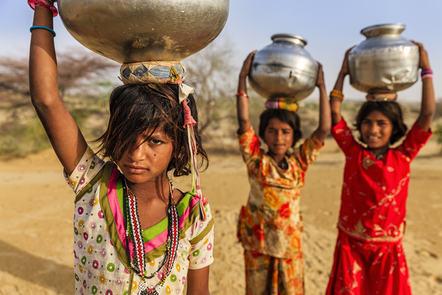
Explore how access to water relates to gender and human rights with this online course. We all need water every day, yet 1.1 billion people worldwide lack access to safe drinking water. For many, obtaining water for their families is a difficult, time-consuming task, falling heavily on the shoulders of women and girls. There is widespread agreement that people have a basic human right to the water needed to sustain life, yet this right has not been realized for nearly 1 of every 7 people on earth.
Class Deals by MOOC List - Click here and see FutureLearn's Active Discounts, Deals, and Promo Codes.
On this course you will learn about the issues of gender inequality and human rights in relation to water, and the diplomatic efforts that are helping to improve access to water.
What topics will you cover?
- Gender inequality in relation to water: How and why do women and girls bear the brunt of water scarcity?
- Is water a human right? How has the human right to water been defined? What is the reality?
- Is water a commodity to be bought and sold for a profit?
- How has globalization affected access to water for the people?
- How do nations work together to forge bilateral or multi-lateral agreements promoting access to water?
What will you achieve?
By the end of the course, you'll be able to...
- Explore how water has been regarded as a human right
- Discuss bilateral and multilateral diplomatic efforts to improve access to water.
- Discuss the impacts of globalization and privatization on access to safe drinking water.
- Describe how the impacts of water scarcity fall disproportionately on the female gender.