Smart Cities: Social Change Through Technology (FutureLearn)

Smart Cities: Social Change Through Technology (FutureLearn)

Learn from New Zealand’s inspirational smart city projects, and see how you can apply these principles to your own context. Gain insights into smart cities from the experts at the University of Canterbury. Smart cities harness the power of digital technology. Through innovative data collection, cities can use these insights to manage resources and operations more efficiently, and promote sustainable development.

Class Deals by MOOC List - Click here and see FutureLearn's Active Discounts, Deals, and Promo Codes.

New Zealand is one of the world’s leading nations when it comes to implementing smart city design principles. This six-week course, presented by the University of Canterbury, gives you a detailed look at how this has been achieved, and how your city can do the same.

Explore the infrastructure of New Zealand’s smart cities
The course will take you on a journey across New Zealand, exploring smart city development in Christchurch in the south, the capital city of Wellington, and all the way up to Hamilton in the north.
You’ll also see how smart life has the ability to drive social change as you explore real-life smart city projects such as solar-powered waste management and LED lighting.

Understand how smart cities can address challenges
You’ll examine how smart city infrastructure can be used to overcome wicked problems
With this understanding, and as you learn about the role of stakeholders and government in smart urban development, you’ll learn how you can apply smart life principles to your own city context.

Explore the importance of citizens and communities to successful smart life
You’ll go beyond smart city principles to understand the value of the citizen in this infrastructure. This knowledge will help you explore how smart cities can tackle community challenges and improve the quality of life in these cities.
By the end of this course, you’ll have the knowledge of smart city practices in New Zealand to understand how you can apply them closer to home.

Learning on this course
You can take this self-guided course and learn at your own pace. On every step of the course you can meet other learners, share your ideas and join in with active discussions in the comments.
What will you achieve?
By the end of the course, you‘ll be able to...

  • Identify how local City Councils in New Zealand are organising around the concept of ‘smart’ cities.
  • Assess the role of stakeholders in the development of smart cities.
  • Evaluate governance challenges in smart cities.
  • Critique the evolution of smart societies.
  • Compare how Cities are tackling community challenges in smart cities.
  • Assess the relevance of global smart city practices to the local contexts.

Who is the course for?
This course is designed for anyone interested in learning more about smart cities, how they harness technology for social change, and the responsibility of citizens and governments in creating and maintaining them.


Go to Class
MOOC List is learner-supported. When you buy through links on our site, we may earn an affiliate commission.

Related Courses

Digital Wellbeing (FutureLearn) FutureLearn
University of York

Digital Wellbeing (FutureLearn)

Do digital technologies affect our wellbeing? Explore the concepts of health, relationships and society in the digital age. Discover how digital technology affects our wellbeing. What is the impact of digital technology on our health, relationships and society? How do we ensure our own digital wellbeing? Explore the answers to these questions and more with this course.

Self Paced
3 Weeks
Application of Digital Health Interventions (FutureLearn) FutureLearn
Taipei Medical University

Application of Digital Health Interventions (FutureLearn)

Research on digital heath interventions in mental health. In this course, you’ll learn digital health applications on complex diseases. Based on WHO guidelines, digital health intervention is defined as a discrete functionality of digital technology that is applied to achieve health objectives. We will explore research on the development of digital health. Issues like why digital health is important and how digital health can affect our future will be discussed.

Self Paced
4 Weeks
Blended Learning Essentials: Digitally-Enriched Apprenticeships (FutureLearn) FutureLearn
University of Leeds,UCL Institute of Education

Blended Learning Essentials: Digitally-Enriched Apprenticeships (FutureLearn)

A CPD course for apprenticeship providers looking to enhance their courses with digital technology for the modern workplace. Enhance apprentices’ experience with digital technology. Apprenticeships are changing. The UK Government has introduced new standards to ensure apprentices are receiving quality training. Discover how using digital technology can enrich your apprentices’ experience and open up opportunities for your organisation.

Self Paced
2 Weeks
Climate Change and Resilience in Food Systems (FutureLearn) FutureLearn
University of Leeds,Africap

Climate Change and Resilience in Food Systems (FutureLearn)

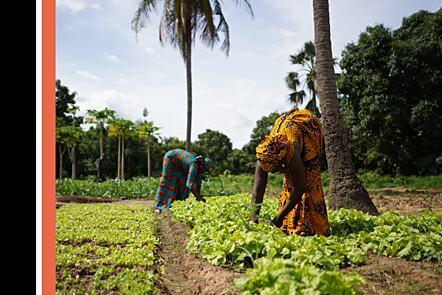
Learn new research-led strategies designed to mitigate the effects of climate change on agriculture and food systems. Learn about the effects of climate change and how to build resilience in agriculture and food systems. Even small climate changes can have large-scale consequences in agriculture and food systems with devastating effects for the people and their economies. On this course, you will learn strategies designed to mitigate the impact of climate change, develop resilient food systems and create sustainable development in local communities.

Self Paced
2 Weeks
Chemical Engineering: Shaping a Sustainable Future (FutureLearn) FutureLearn
University of Leeds

Chemical Engineering: Shaping a Sustainable Future (FutureLearn)

Learn how chemical engineering can help to solve global challenges and explore its role in delivering sustainable development. Understand how chemical engineers can provide sustainable solutions. Chemical engineers are leading the way in providing answers to global challenges such as climate change, food security, and effective healthcare. On this two-week course, you will be introduced to the exciting world of chemical engineering. You’ll explore how chemical engineers develop and design chemical manufacturing processes to provide sustainable solutions.

Self Paced
2 Weeks
Creating Apps in the Classroom (FutureLearn) FutureLearn
Queensland University of Technology

Creating Apps in the Classroom (FutureLearn)

Find out how to create your own educational apps to support learning activities in your classroom. Learn how to create apps to use in your own teaching practice. There are many educational apps available, but the majority are created by non-educators. Platforms for developing apps are becoming increasingly user-friendly, so it’s easier for teachers to create apps to support their own classroom activities.

Self Paced
2 Weeks
EAL: English Language for Nature Conservation and Sustainability (FutureLearn) FutureLearn
Te Pūkenga – New Zealand Institute of Skills and Technology,Nelson Marlborough Institute of Technology - NMIT

EAL: English Language for Nature Conservation and Sustainability (FutureLearn)

Advance your study of English as a second language as you explore sustainability and discover the wonders of New Zealand. Improve your language skills with the Nelson Marlborough Institute of Technology. The themes of conservation and sustainability are present in most major academic English exams such as IELTS, TOEFL, and NZCEL. This four-week course will prepare you for reading, listening, writing, and speaking about these themes.

Jun 27th 2022
4 Weeks
Development and Planning in African Cities: Exploring theories, policies and practices from Sierra Leone (FutureLearn) FutureLearn
University College London,Sierra Leone Urban Research Centre,Njala University

Development and Planning in African Cities: Exploring theories, policies and practices from Sierra Leone (FutureLearn)

As African cities grow, learn how development and planning help urban actors to make cities just and sustainable for all. In the next 35 years, Africa will need to accommodate almost 900 million new urban dwellers. Hundreds of smaller cities are doubling in size every 20 years, half of Africa’s urban dwellers live in informal settlements in precarious conditions, and 75% of these are younger than 35. Our course will explore African cities through the lenses of spatial justice and social diversity, challenging myths and assumptions about urban development and demonstrating how different processes interact and shape the development of a city.

Self Paced
4 Weeks
Sustainable Development in Humanitarian Action (FutureLearn) FutureLearn
International Committee of the Red Cross,International Federation of Red Cross and Red Crescent Societies,Homuork

Sustainable Development in Humanitarian Action (FutureLearn)

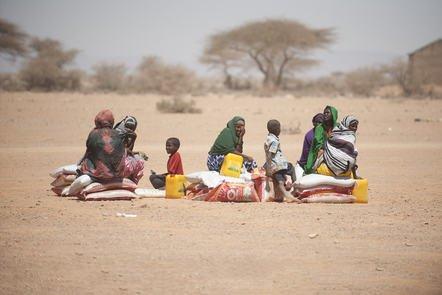
Discover the principles and practices of sustainable development, and how to bring them to life in humanitarian organisations. Find out how to make humanitarian action more sustainable. Incorporating sustainability into humanitarian action is key to making humanitarian organisations more effective and accountable. This course will show you how.

Mar 1st 2021
4 Weeks
Unleash Your Potential: Sustainable Futures (FutureLearn) FutureLearn
University of Bristol

Unleash Your Potential: Sustainable Futures (FutureLearn)

Learn about the sustainability challenges of the modern world, and make a positive contribution to society. Find out how to deal with world sustainability issues. United Nations (UN) countries have adopted a set of goals to end poverty, protect the planet and ensure prosperity for all. On this online course, you’ll learn about these UN Sustainable Development Goals, and the different roles people can play in creating a sustainable future.

Self Paced
4 Weeks
Maqasid Al-Shariah and Sustainable Development (FutureLearn) FutureLearn
University of Malaya

Maqasid Al-Shariah and Sustainable Development (FutureLearn)

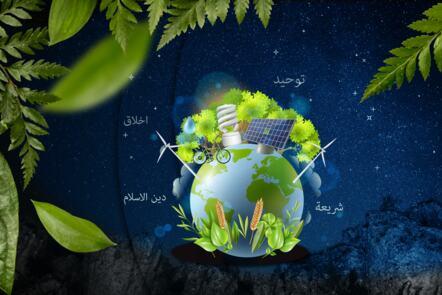
Discover how religion, particularly Islamic teachings, and scientific knowledge can work together towards sustainable solutions. Use a blend of religion and science to explore sustainability. Sustainable Development is one of the most comprehensive worldwide concepts today in the quest to safeguard the environment. This principle of sustainability has been discovered to be intrinsically linked to the concept of Shariah, which emphasises the importance of continuity not just in this world, but also in the afterlife.

Self Paced
3 Weeks
Educating for Sustainable Development (ESD) in Schools and Universities (FutureLearn) FutureLearn
University College London

Educating for Sustainable Development (ESD) in Schools and Universities (FutureLearn)

Explore the global challenges facing sustainable development worldwide and how to introduce them in schools and HE institutions. Develop the skills to examine sustainable development with all learners. As part of the UN Sustainable Development Goals, schools and universities have a responsibility to educate all learners on sustainability. On this three-week course, you’ll gain an overview of the key issues relating to sustainability and how to deliver this knowledge, whether you teach in schools or higher education.

Self Paced
3 Weeks