The Nature of Genius (Coursera)

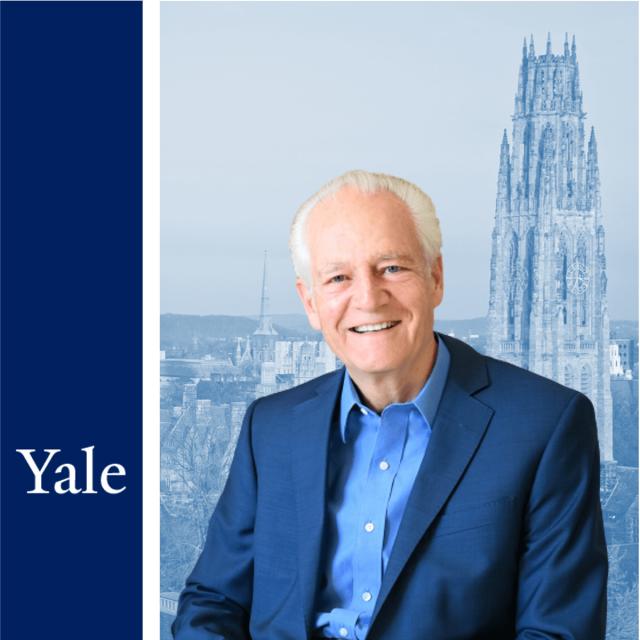
Offered by Yale University,
The Nature of Genius (Coursera)

Today "genius" is all around us. Celebrities, athletes, child prodigies, even your local Apple employees, all are referred to as geniuses. But are they? And if not these individuals then who? In this course, Henry L. and Lucy G. Moses Professor of Music Emeritus and author of The Hidden Habits of Genius, Craig Wright, will begin by giving you his definition and prerequisites for true genius and challenge you to come up with your own.

Class Deals by MOOC List - Click here and see Coursera's Active Discounts, Deals, and Promo Codes.

From there we'll look at examples of geniuses both historical and modern to try to identify the threads that bind them together and understand what separates the true genius from the wannabe... We’ll explore where creativity, curiosity and passion originate and how geniuses are able to discover, cultivate and apply their prodigious stores of each so as to fashion world changing ideas and inventions.
Specific topics covered in the course include:
Genius and Gender
Genius and Money
Whether or not celebrities and athletes can be considered geniuses
Where and when genius happen
The morality of genius
Genius and inequality
And dozens more
While this course almost assuredly will not turn anyone into a genius, we hope it will serve to inspire you to cultivate your own creativity, explore your own curiosity, and pursue your own passion.

What You Will Learn

  • How to create your own definition of genius
  • The internal and external factors that allow genius to flourish
  • Which attributes are commonly found in those deemed to be "geniuses"

Syllabus

WEEK 1
Genius Defined, Genius Denied , Genius and Geography
In Section 1 of Module 1 we determine, jokingly, whether you're a genius or not, provide examples of geniuses as opposed to mere celebrities or prodigies, and discover how what defines "genius" is highly subjective and ever-changing. In Section 2 we look at genius and gender. We discuss the disadvantages that the few female geniuses who do come down to us in our history book faced in their societies. We consider how far we may have progressed and what opposition still remains for women today. In Section 3 we look at genius in relationship to race, geography and society. We talk about the importance of originality in genius and about what societal factors can either encourage or discourage genius.

WEEK 2
First Things First
In Section 1 of Module 2 we jump into the age-old question: is it nature or is it nurture? We'll talk about the growing science of epigenetics, the many forms of intelligence and how to best measure each. In Section 2 we consider neoteny in genius. How employing childlike thinking could be a key to genius. We'll also take some time to explore in-depth one of the more famous neotenic geniuses from our past, Mozart. Then we'll move on to discover how we deal with our young prodigies and savants in ways that may actually prevent genius from blossoming. In Section 3 we'll get down to brass tacks and talk about money's role in genius. Do you need to be rich to be a genius? What should geniuses do with their money once they accumulate it?

WEEK 3
What Makes Genius?
Module 3 delves into the enablers of genius to see what drives them and what allows them to achieve such singular greatness in their lifetimes. Section 1 entitled "curiosity and a tolerance for risk," may go a long way to explaining the just-asked question. We'll study perhaps the single most curious person in history, the great, Leonardo da Vinci, and look in on a typical day in his life. In Section 2 we'll move on to explore creativity and great polymaths in history. We'll take time to examine how they think and where their ideas came from. In Section 3 we'll talk passions; the inevitable endpoint for anyone with great curiosity, is passion. Once these polymaths stumble on something of interest, they become passionate, and passion can carry them along some unusual paths. We'll explore a few of them.

WEEK 4
Disruption, Genius and Morality, Genius and “Disability”
In Module 4 we start by looking at morality and genius. As you might expect by now, they do not always go hand in hand. We'll explore a few examples of the rebellious nature of most geniuses, and the personally destructive nature of several others, and we will consider the relationship between genius and so-called "disabilities." Finally, we'll step back and ask the following question: To what degree are we as individuals willing to tolerate bad behavior and, indeed, personal destruction, in order to benefit from the creative innovation that the genius brings to society? Finally, we end by suggesting the personal and societal implications inherent in the study of genius. We'll send you off by suggesting how you, and society, might employ the knowledge you've gained as you have explored "The Nature of Genius."


Go to Class
MOOC List is learner-supported. When you buy through links on our site, we may earn an affiliate commission.

Related Courses

Ready, Set, Future! Introduction to Futures Thinking (Coursera) Coursera
Institute for the Future

Ready, Set, Future! Introduction to Futures Thinking (Coursera)

Do you want to think about the future with more creativity and optimism? Do you want to see what’s coming faster, so you can be better prepared for disruptions and more in control of your future? Do you want to get better at changing what’s possible today – in your company, your industry, your community, and in your own life? This course will introduce you to the practice of futures thinking, as developed and applied for the past 50 years by the Institute for the Future, a Silicon-Valley-based research and learning group founded in 1968.

Jul 27th 2026
4 Weeks
Entrepreneurship Strategy: From Ideation to Exit (Coursera) Coursera
HEC Paris

Entrepreneurship Strategy: From Ideation to Exit (Coursera)

This course covers in the chronological order each defining step of an entrepreneurial project. It begins with very personal considerations related to getting to better know yourself better so as to decide if you are ready for the multiple challenges of entrepreneurship. It then deals with creativity in order to provide the right set of tools to find an idea with the right potential to disrupt an existing business.

Jul 27th 2026
4 Weeks
On Strategy : What Managers Can Learn from Philosophy - PART 1 (Coursera) Coursera
CentraleSupélec

On Strategy : What Managers Can Learn from Philosophy - PART 1 (Coursera)

In the expression “creative thinking”, the keyword is not creativity; the keyword is thinking. With the help of great philosophers, you will rediscover the art of thinking. To help leaders to be rigorous even without figures, great philosophers have lots of ideas. Managers are invited to rediscover the art of thinking. They should understand the role of mental models, realize the importance of cognitive bias, agree on clear definitions and efficient criteria etc. Creativity demands the ability to unshackle ourselves from conventional ways of thinking, to "think outside the box".

Jul 27th 2026
5-12 Weeks
Innovar (Coursera) Coursera
Arizona State University

Innovar (Coursera)

La innovación ha cobrado una importancia significativa en las corporaciones de hoy, y con frecuencia es vista como un motor importante de crecimiento y éxito en una organización. En este curso introductorio, usted aprenderá sobre el significado, la importancia, el proceso e impacto de la innovación.

Aug 10th 2026
5-12 Weeks
Intimacy of Creativity: Entering the Minds of Composers (Coursera) Coursera
The Hong Kong University of Science and Technology - HKUST

Intimacy of Creativity: Entering the Minds of Composers (Coursera)

Bright Sheng guides us through three works — by Brahms, Beethoven, and Sheng — for an intimate look inside the composer's mind. This course strives to give students a new appreciation of music, based on an understanding of the craft behind each work. This class is perfect for those wanting to gain a unique perspective on the creative process of music composition, while challenging traditional notions of how composers approach formal structure, melody, and harmony.

Jul 27th 2026
3 Weeks
Exploring Emerging Technologies for Lifelong Learning and Success (Coursera) Coursera
University at Buffalo,The State University of New York

Exploring Emerging Technologies for Lifelong Learning and Success (Coursera)

This learning opportunity is an open-access resource for lifelong learning. The aim is to identify the value and implications of using established and emerging technology tools for personal and professional growth and acquire strategies to develop lifelong learning habits to keep pace with technology change.

Jul 27th 2026
5-12 Weeks
Speaking and Presenting: Pitches and Persuasion (Coursera) Coursera
University of Michigan

Speaking and Presenting: Pitches and Persuasion (Coursera)

The hope good presenters project when pitching their ideas is not naïve hope. They’re not Pollyanna at the podium. Instead, the solutions they offer are supported by research, data, and expertise. This course will teach you how to merge hard facts with an imaginative vision in a way that at once resonates with and inspires your audience.

Jul 27th 2026
4 Weeks
Human-Centered Design for Inclusive Innovation (Coursera) Coursera
University of Toronto

Human-Centered Design for Inclusive Innovation (Coursera)

This course introduces the principles and practices of human-centered design (also sometimes called “design thinking”) which are essential for developing innovative and inclusive products, services, processes and policies. You will learn by doing, experiencing the design process through exercises and a mini-bootcamp. In this course, you will learn about and experience key human-centered design practices: empathize, reframe, ideate, prototype and test. You will learn why human-centered design is a central component of Gender Analytics. You will develop skills in problem finding (and not just problem solving) by understanding users', stakeholders’ and beneficiaries' lived experiences.

Jul 27th 2026
4 Weeks
Social Pedagogy across Europe (Coursera) Coursera
Universitat Autònoma de Barcelona

Social Pedagogy across Europe (Coursera)

Social Pedagogy across Europe is the first Massive Open Online Course focused on social pedagogy – a relationship-centred approach to supporting people’s learning, well-being and social inclusion in ways that promote social justice. The course is structured in eight sessions presented over four weeks – an introductory session, six sessions outlining social pedagogy in different European countries and sharing some innovative practice insights, and a review session to support you in applying your learning.

Jul 27th 2026
5-12 Weeks
Ignite Your Everyday Creativity (Coursera) Coursera
The State University of New York

Ignite Your Everyday Creativity (Coursera)

Creativity is an essential skill for the 21st Century that is innate in all people and can be nurtured. We constantly need new and better ideas for almost every aspect of our professional and personal lives. The goal of this course is to help you recognize, develop and act upon the creativity that you already possess. We will accomplish this using three methods: b aware, b inspired, and b creative.

Jul 27th 2026
5-12 Weeks