Introduction to Molecular and Cellular Biology (saylor.org)

Offered by Saylor.org,
Introduction to Molecular and Cellular Biology (saylor.org)

This course is intended for the student interested in understanding and appreciating common biological topics in the study of the smallest units within biology: molecules and cells.

Molecular and cellular biology is a dynamic field. There are thousands of opportunities within the medical, pharmaceutical, agricultural, and industrial fields (just to name a few) for a person with a concentrated knowledge of molecular and cellular processes. This course will give you a general introduction of these topics. In addition to preparing for a diversity of career paths, an understanding of molecular and cell biology will help you make sound decisions in your everyday life that can positively impact your diet and health.

Go to Class
MOOC List is learner-supported. When you buy through links on our site, we may earn an affiliate commission.
Related Courses

Introduction to the Biology of Cancer (Coursera) Coursera
Johns Hopkins University

Introduction to the Biology of Cancer (Coursera)

Over 500,000 people in the United States and over 8 million people worldwide are dying every year from cancer. As people live longer, the incidence of cancer is rising worldwide and the disease is expected to strike over 20 million people annually by 2030. This open course is designed for people who would like to develop an understanding of cancer and how it is prevented, diagnosed, and treated.

Jun 8th 2026
5-12 Weeks
Introduction to Genetics and Evolution (Coursera) Coursera
Duke University

Introduction to Genetics and Evolution (Coursera)

Introduction to Genetics and Evolution is a college-level class being offered simultaneously to new students at Duke University. The course gives interested people a very basic overview of some principles behind these very fundamental areas of biology. We often hear about new "genome sequences," commercial kits that can tell you about your ancestry (including pre-human) from your DNA or disease predispositions, debates about the truth of evolution, why animals behave the way they do, and how people found "genetic evidence for natural selection." This course provides the basic biology you need to understand all of these issues better, tries to clarify some misconceptions, and tries to prepare students for future, more advanced coursework in Biology (and especially evolutionary genetics). No prior coursework is assumed.

Jun 8th 2026
5-12 Weeks
Marine Biology (saylor.org) Saylor Academy
Saylor.org

Marine Biology (saylor.org)

Marine Biology is the study of ocean life. As you might expect, life in salt water is vastly different from life in a terrestrial or freshwater environment due to factors like salinity, water circulation, and atmospheric pressure. How, for example, can organisms living in salt water avoid dehydration? How do organisms living in the depths of the ocean handle the immense pressure? How do the environmental factors in marine communities affect biodiversity? How do some animals manage to alternate between the demands of terrestrial life and the demands of marine life? In this course, you will learn the answers to these questions and more. This course will touch on a number of different subfields of biological study (including biochemistry, physiology, zoology, botany, and ecology) within the context of the ocean environment.

Legacy Course
Self-Paced
Pensamiento Científico (Coursera) Coursera
Universidad Nacional Autónoma de México

Pensamiento Científico (Coursera)

¿El pensamiento científico es sólo para científicos? Su utilidad va mucho más allá, ayudando a las personas a tomar mejores decisiones todos los días. El objetivo de este curso es fomentar en pensamiento científico en los alumnos para ayudarles a tomar mejores decisiones profesionales, personales y sociales.

Jun 8th 2026
5-12 Weeks
Paleontology: Early Vertebrate Evolution (Coursera) Coursera
University of Alberta

Paleontology: Early Vertebrate Evolution (Coursera)

Paleontology: Early Vertebrate Evolution is a four-lesson course teaching a comprehensive overview of the origin of vertebrates. Students will explore the diversity of Palaeozoic lineages within a phylogenetic and evolutionary framework .This course examines the evolution of major vertebrate novelties including the origin of fins, jaws, and tetrapod limbs. Students also explore key Canadian fossil localities, including the Burgess Shale (British Columbia), Miguasha (Quebec), and Man On The Hill (Northwest Territories).

Jun 10th 2026
4 Weeks
Network Analysis in Systems Biology (Coursera) Coursera
Icahn School of Medicine at Mount Sinai

Network Analysis in Systems Biology (Coursera)

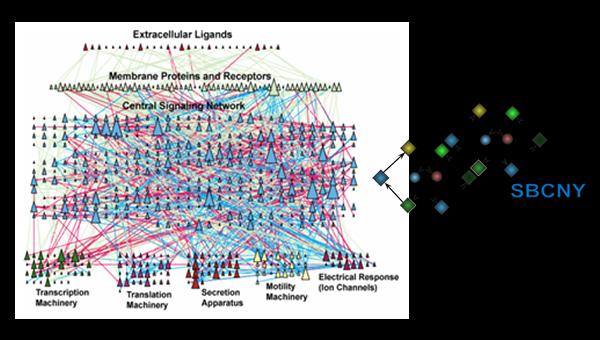
An introduction to data integration and statistical methods used in contemporary Systems Biology, Bioinformatics and Systems Pharmacology research. The course covers methods to process raw data from genome-wide mRNA expression studies (microarrays and RNA-seq) including data normalization, differential expression, clustering, enrichment analysis and network construction. The course contains practical tutorials for using tools and setting up pipelines, but it also covers the mathematics behind the methods applied within the tools.

Jun 8th 2026
5-12 Weeks
Agroforestry IV: Climate, Carbon Storage and Agroforestry (Coursera) Coursera
University of Florida

Agroforestry IV: Climate, Carbon Storage and Agroforestry (Coursera)

Welcome to Agroforestry IV: Climate Change, Carbon Storage and Agroforestry Systems, a detailed review of fundamental principles and best practices for successful agroforestry projects. This interdisciplinary module, presented by leading experts in the field, is the fourth in the five-module course covering the various aspects of agroforestry including the global distribution of the practices, their underlying principles, and major scientific advances during the past nearly five decades.

Jun 8th 2026
1 Week
Bioinformatic Methods II (Coursera) Coursera
University of Toronto

Bioinformatic Methods II (Coursera)

Large-scale biology projects such as the sequencing of the human genome and gene expression surveys using RNA-seq, microarrays and other technologies have created a wealth of data for biologists. However, the challenge facing scientists is analyzing and even accessing these data to extract useful information pertaining to the system being studied. This course focuses on employing existing bioinformatic resources – mainly web-based programs and databases – to access the wealth of data to answer questions relevant to the average biologist, and is highly hands-on.

Jun 8th 2026
5-12 Weeks
Finding Purpose and Meaning In Life: Living for What Matters Most (Coursera) Coursera
University of Michigan

Finding Purpose and Meaning In Life: Living for What Matters Most (Coursera)

In this course, you’ll learn how science, philosophy and practice all play a role in both finding your purpose and living a purposeful life. You will hear from historical figures and individuals about their journeys to finding and living a purposeful life, and will walk through different exercises to help you find out what matters most to you so you can live a purposeful life.

Jun 8th 2026
4 Weeks
Finding Hidden Messages in DNA (Bioinformatics I) (Coursera) Coursera
University of California, San Diego

Finding Hidden Messages in DNA (Bioinformatics I) (Coursera)

This course begins a series of classes illustrating the power of computing in modern biology. Please join us on the frontier of bioinformatics to look for hidden messages in DNA without ever needing to put on a lab coat. In the first half of the course, we investigate DNA replication, and ask the question, where in the genome does DNA replication begin? We will see that we can answer this question for many bacteria using only some straightforward algorithms to look for hidden messages in the genome.

Jun 8th 2026
5-12 Weeks