Disability and a Good Life: Working with Disability (FutureLearn)

Disability and a Good Life: Working with Disability (FutureLearn)

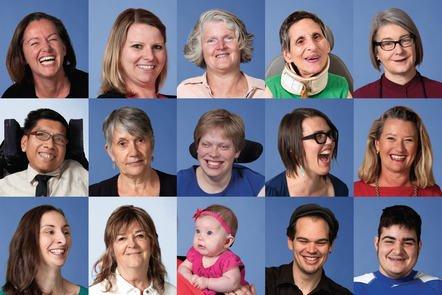
Learn how disability intersects with human rights, and how a good life can be made possible for everyone. 20% of the global population has a disability, which means most of us will have an experience of disability in our lives, whether it be personally, through our family and friends, or in our workplaces and communities. But what is disability? It’s often assumed that people with disabilities can’t have a good life. But what is a good life?

Class Deals by MOOC List - Click here and see FutureLearn's Active Discounts, Deals, and Promo Codes.

In this course, and its sister course Thinking through Disability, we’ll reflect on how disability is part of who we are as human beings. These courses will give you and your fellow learners the opportunity to think through and work with some of the big issues facing societies, governments and disabled people.

Work with disability
Today we recognise disability as a part of human diversity. But what does it mean to work with disability in a way that enables a good life for ourselves and others? In this course, we will explore a human rights approach to disability and examine how disability politics and policy, advocacy and activism can inform what we mean by a good life.
To begin, you’ll reflect on the meaning and significance of human diversity. As you move through the topics, you will engage with different approaches to disability by examining the concepts of inclusion, access and support. At the end of the course we will challenge you to consider how you work with disability to enable a good life for all.

Learn in a variety of ways
In this free online course, you can choose your pathway through the materials. Resources and strategies to support your learning include:

  • written, audio and visual resources (transcripts and audio descriptions/files provided)
  • stories from people with disabilities
  • interviews with leading disability studies experts
  • Talking Points to help guide online Comments
  • a glossary of terms
  • a Learner Guide, Mel, who will show you how she worked through the material
  • an opportunity to take your learning further through activities to extend and expand your knowledge.

We encourage you to work through the course week-by-week in order to participate fully in the class discussions. However, once you enrol, materials will continue to be available to you after the course officially ends, so that you have the option to work at your own pace.
We also hope to hear from you. As we strive to improve the course and enable ease of access for all, we have multiple opportunities for you to provide feedback about the accessibility of the materials and the effectiveness of the course design.

Gain vital skills and knowledge
By the end of this course you will be able to:

  • explain disability rights through an examination of the UN Convention
  • understand the implications of justice, discrimination and equality in the lives of people with disabilities around the world
  • engage with the debates around care, support and facilitation, and explain what these concepts look like in practice
  • understand and critique key terms related to disability, such as access, inclusion and belonging
  • identify different channels for working for change
  • understand how a good life might be enabled for a diversity of people, including people with disabilities.
Go to Class
MOOC List is learner-supported. When you buy through links on our site, we may earn an affiliate commission.

Related Courses

Improving Health Assessments for People with an Intellectual Disability (FutureLearn) FutureLearn
Trinity College Dublin,EIT Health

Improving Health Assessments for People with an Intellectual Disability (FutureLearn)

Learn how to improve healthcare for people with intellectual disabilities with this course for healthcare professionals. Detecting poor health and supporting people with an intellectual disability in managing their health can be challenging for healthcare professionals. During this course, you will gain valuable knowledge that you can transfer into your daily practice on how to include people with an intellectual disability in health assessments.

Self Paced
3 Weeks
Challenges in Antibiotic Resistance: Gram Negative Bacteria (FutureLearn) FutureLearn
British Society for Antimicrobial Chemotherapy - BSAC

Challenges in Antibiotic Resistance: Gram Negative Bacteria (FutureLearn)

This course by BSAC is for healthcare professionals managing infections. You will learn about Gram Negative Bacteria. Identify, diagnose and treat gram negative bacterial infections. Gram negative bacteria (GNB) are a group of bacteria that can cause infection and toxic reaction in patients, yet are difficult to differentiate and treat with antibiotics due to their structure.

Self Paced
3 Weeks
Using Infection Control to Combat Antimicrobial Resistance (FutureLearn) FutureLearn
University of East Anglia

Using Infection Control to Combat Antimicrobial Resistance (FutureLearn)

Find out how effective infection control in health and social care can tackle the global risk of antimicrobial resistance. Get practical guidance on infection control in health and social care settings. This online course will explore the growing problem of antimicrobial-resistant infections in health and social care settings. You’ll find out how infectious diseases are acquired and spread, and how this contributes to the global risk of antimicrobial resistance.

Self Paced
3 Weeks
Small and Mighty: Introduction to Microbiology (FutureLearn) FutureLearn
University of Reading

Small and Mighty: Introduction to Microbiology (FutureLearn)

Understand the basics of microbiology and explore the diversity of microbial life in our world. Discover the fascinating world of microbes. Microbes may be invisible to the eye, but they dominate every environment on Earth – including you. Microbes are often associated with disease yet the majority of species help to keep us alive. How can you distinguish the good from the bad?

Self Paced
3 Weeks
Understanding Anxiety, Depression and CBT (FutureLearn) FutureLearn
University of Reading

Understanding Anxiety, Depression and CBT (FutureLearn)

Improve your understanding of depression and anxiety and find out more about an effective and evidence-based treatment: CBT. Anxiety and depression are terms discussed widely, in different media and amongst family and friends. But what do those labels actually mean? On this five week course, from the University of Reading, you will explore what it means to have anxiety or depression and how they are identified.

Self Paced
5-12 Weeks
Organ Donation: The Essentials for Healthcare Professionals (FutureLearn) FutureLearn
St George's, University of London,NHS Blood and Transplant

Organ Donation: The Essentials for Healthcare Professionals (FutureLearn)

Understand the key processes regarding organ donation with this course for healthcare professionals, anywhere in the world. Learn about different aspects of organ donation. Despite organ donation being hugely important there is currently limited training for healthcare workforce regarding the complex issues around organ and tissue donation. This course aims to change that.

Self Paced
2 Weeks
Causes of Human Disease: Exploring Cancer and Genetic Disease (FutureLearn) FutureLearn
University of Leeds

Causes of Human Disease: Exploring Cancer and Genetic Disease (FutureLearn)

Explore how the unravelling of genetic code has led to a deeper understanding of genetic diseases and cancer. It’s widely known that some diseases run in families. The discovery of the structure of DNA and the unravelling of the genetic code has led to a deeper understanding of such diseases. We now know more about the genetic basis of cancer and how cancer cells are formed and reproduce. On this course you’ll explore the structure of DNA, its processes and learn how genetic disease results from DNA alterations.

Self Paced
2 Weeks
Quality Improvement in Healthcare: the Case for Change (FutureLearn) FutureLearn
University of Bath

Quality Improvement in Healthcare: the Case for Change (FutureLearn)

Explore new and better ways of organising health and social care services, to improve quality, with this free online course. Why is quality improvement in health and social care systems so difficult? Why is it so challenging to bring in new and better ways of organising health and social care services? Many reasons have been put forward: lack of money; lack of knowledge about either the actual quality of care delivered, or resistance to making changes to long-established ways of working; excessive and sometimes misunderstood regulations; and professional opinions and interests that are hard to influence when systems are working at or beyond capacity.

Self Paced
5-12 Weeks
Nutrition and Disease Prevention (FutureLearn) FutureLearn
Taipei Medical University

Nutrition and Disease Prevention (FutureLearn)

Learn about the relationship between diet and disease and discover the role a nutrient-rich diet can play in disease prevention. Understand how good nutrition can prevent disease. Diet-related diseases and obesity levels are rising. On this course you will explore the relationship between diet and disease and the role diet plays in weight management. You will examine the latest research studies to consider how poor nutrition can lead to ill health, and whether what we eat can help to prevent the onset of common diseases, such as cancer.

Self Paced
4 Weeks
Why Do We Age? The Molecular Mechanisms of Ageing (FutureLearn) FutureLearn
University of Groningen,University Medical Center Groningen - UMCG

Why Do We Age? The Molecular Mechanisms of Ageing (FutureLearn)

Why do we age? Is there a limit to human lifespan? Can we prolong our lives? Find out with this free online course. Discover the science behind the ageing process. The “why” and “how” of ageing has puzzled mankind ever since it questioned its place in the universe.

Self Paced
5-12 Weeks
Causes of Human Disease: Understanding Causes of Disease (FutureLearn) FutureLearn
University of Leeds

Causes of Human Disease: Understanding Causes of Disease (FutureLearn)

Learn the epidemiological methods used to understand the causes of diseases and how social factors influence their development. What causes human disease? Why do some people get a disease but others don’t? Through this course, you’ll learn how epidemiologists are helping to find answers to these complex questions and how the health of a population is measured and analysed.

Self Paced
2 Weeks