Computing, Ethics, and Society 1 - Foundations (Coursera)

Computing, Ethics, and Society 1 - Foundations (Coursera)

Computing systems and technologies fundamentally impact the lives of most people in the world, including how we communicate, get information, socialize, and receive healthcare. This course is the first of a three-course sequence that examines ethical issues in the design and implementation of computing systems and technologies and reflects upon the broad implication of computing on our society. It covers ethical theories, privacy, security, social media, and misinformation.

Class Deals by MOOC List - Click here and see Coursera's Active Discounts, Deals, and Promo Codes.

What you'll learn

  • Identify and manage ethical situations that may arise in their careers.
  • Understand and be able to apply ethical frameworks to help them analyze ethical challenges.
  • Identify some of the main ethical issues that arise in the use of the internet, including privacy, security, and the impacts of social media.
  • Describe key issues related to misinformation on the internet

Syllabus

Course Overview and Ethical Foundations
Module 1
In this introductory week, you will delve into the fascinating world of computing, ethics, and society. You will explore the fundamental concepts of ethics and ethical frameworks, providing a solid foundation for the entire course. You will gain insights into key ethical theories, including Kantianism, Virtue Ethics, Utilitarianism, and Social Contract Theory. Through interactive discussions and engaging resources, you will understand how these theories shape our moral decision-making processes and their significance in the context of computing technologies.

Internet Related Issues: Part 1
Module 2
This week explores the internet's evolution and the ethical challenges of recommender systems and internet advertising. You examine recommender systems' operation, benefits, and ethical concerns, and broader issues in internet advertising such as personalized advertising and data usage on browsers and social media platforms. Through discussions and independent assessment of current articles, you will critically assess the ethics of online recommendations and advertising, gaining a comprehensive understanding of ethical considerations related to core aspects of the internet.

Internet Related Issues: Part 2
Module 3
This week explores two key areas related to the internet: the influence of social media on youth and the widespread issue of misinformation in different contexts. You will analyze ethical responsibilities related to fostering a healthy digital environment and understanding and combating misinformation. This week aims to equip you with the knowledge and insights needed to contribute to the creation of a responsible online environment, and to a society that is better informed about major internet-related ethical issues.

Privacy and Security
Module 4
This week delves into the concepts of computer privacy and security. You will explore privacy issues such as data collection, tracking, and anonymity, alongside legal approaches to safeguarding privacy such as the “Right to be Forgotten”. The module also covers security topics including types of security breaches, ransomware, and ethical hacking. By the end of this week, you will have a broad understanding of computer privacy and security, equipped with ethical insights to navigate this dynamic landscape responsibly.

Go to Class
MOOC List is learner-supported. When you buy through links on our site, we may earn an affiliate commission.

Related Courses

In the Trenches: Security Operations Center (Coursera) Coursera
EC-Council

In the Trenches: Security Operations Center (Coursera)

Cyber-attacks, breaches, and incidents continue to grow. The sophistication and complexity of these attacks continue to evolve. More than ever organizations need to plan, prepare, and defend against a potential cyber incident. Security Operation Centers (SOCs) act as an organization's front-line defense against cyber incidents. SOC analyst accomplishes this by monitoring and responding to network and host anomalies, performing an in-depth analysis of suspicious events, and when necessary, aiding in forensic investigations.

Sep 28th 2026
4 Weeks
5G Network Fundamentals (Coursera) Coursera
Institut Mines-Telecom

5G Network Fundamentals (Coursera)

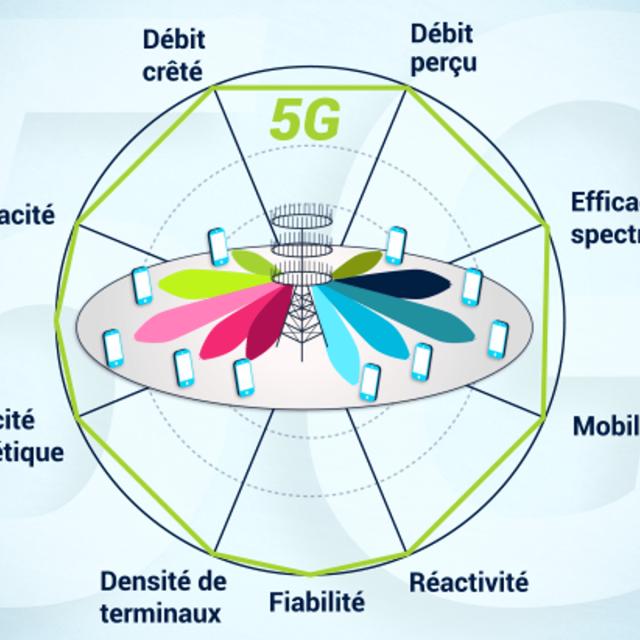
This MOOC presents the services and the architecture of 5G networks, the main principles of the new radio interface (NR), data flow management, security and the new Service-Based Architecture (SBA). In recent years, operators have been deploying 5G technology on commercial mobile networks. The latter is announced as a major technological breakthrough with speeds beyond Gbit/s, very low latencies and above all a distribution in many sectors of activity (industry, transport, medicine, etc.).

Sep 28th 2026
5-12 Weeks
Media ethics & governance (Coursera) Coursera
University of Amsterdam

Media ethics & governance (Coursera)

This course explores some of the basic theories, models and concepts in the field of media ethics. We will introduce influential ethical theories and perspectives, explore changing societal demands and expectations of media creation and media use, and we will elaborate on existing ethical norms for media professionals. After following this course, you will be able to reflect on ethical dilemmas and develop a well-substantiated argumentation for ethical decision making in a variety of media-related contexts.

Sep 21st 2026
4 Weeks
Introduction to Data Protection and Privacy (Coursera) Coursera
Coursera Instructor Network

Introduction to Data Protection and Privacy (Coursera)

Introduction to Data Protection and Privacy is an informative course designed for any learner to be able to understand what data is, different types data, and how data can have a huge effect on people or organizations. It will govern over the concept of GRC (Governance, Risk and Compliance), the implementation of data protection, and data privacy fundamentals.

Sep 28th 2026
1 Week
Automated Cyber Security Incident Response (Coursera) Coursera
EDUCBA

Automated Cyber Security Incident Response (Coursera)

This course aims to provide participants with a comprehensive understanding of incident response processes and workflows. The course covers various aspects of automating incident response mechanisms, including centralizing and automating operations, scaling the alert management process, and advanced topics such as correlation, impact assessments, and security use cases showcasing the end-to-end lifecycle of an incident.

Sep 28th 2026
4 Weeks
Ethical Issues in Data Science (Coursera) Coursera
University of Colorado Boulder

Ethical Issues in Data Science (Coursera)

Computing applications involving large amounts of data – the domain of data science – impact the lives of most people in the U.S. and the world. These impacts include recommendations made to us by internet-based systems, information that is available about us online, techniques that are used for security and surveillance, data that is used in health care, and many more. In many cases, they are affected by techniques in artificial intelligence and machine learning.

Sep 28th 2026
5-12 Weeks
Blockchain Security (Coursera) Coursera
Infosec

Blockchain Security (Coursera)

This course introduces blockchain security, including a description of how the blockchain works at each level of the blockchain ecosystem. The instructor begins with the building blocks that create the structure of blockchain, the cryptography that it uses for security, and the role of hash functions in the blockchain and how they can be attacked. In the next module, the instructor describes what blockchain consensus is, why it’s needed, its underlying theory (Byzantine Fault Tolerance and Security via Scarcity), some of the common consensus algorithms, and the security issues inherent to each variant.

Sep 28th 2026
5-12 Weeks
Fundamental Rights Impact Assessment for GenAI Projects (Coursera) Coursera
Coursera Instructor Network

Fundamental Rights Impact Assessment for GenAI Projects (Coursera)

In a world increasingly driven by artificial intelligence, the line between technological advancement and fundamental human rights is more important than ever. “Fundamental Rights Impact Assessment for GenAI projects” is a course that equips you with the skills to navigate the intersection between innovation and our intrinsic rights to privacy, freedom, and equality.

Sep 28th 2026
4 Weeks
Effective Altruism (Coursera) Coursera
Princeton University

Effective Altruism (Coursera)

Effective altruism is built on the simple but unsettling idea that living a fully ethical life involves doing the most good one can. In this course you will examine this idea's philosophical underpinnings; meet remarkable people who have restructured their lives in accordance with it; and think about how effective altruism can be put into practice in your own life.

Sep 21st 2026
5-12 Weeks
Foundations of Teaching for Learning: Being a Professional (Coursera) Coursera
Commonwealth Education Trust

Foundations of Teaching for Learning: Being a Professional (Coursera)

The Foundations of Teaching for Learning programme is for anyone who is teaching, or who would like to teach, in any subject and any context - be it at school, at home or in the workplace. With dynamic lessons taught by established and respected professionals from across the Commonwealth, this eight course programme will see you develop and strengthen your skills in teaching, professionalism, assessment, and more. As you carry on through the programme, you will find yourself strengthening not only your skills, but your connection with colleagues across the globe. A professional development opportunity not to be missed.

Sep 21st 2026
5-12 Weeks
Ethics, Technology and Engineering (Coursera) Coursera
Eindhoven University of Technology

Ethics, Technology and Engineering (Coursera)

There is an increasing attention to ethics in engineering practice. Engineers are supposed not only to carry out their work competently and skilfully, but also to be aware of the broader ethical and social implications of engineering and to be able to reflect on these. According to the Engineering Criteria 2000 of the Accreditation Board for Engineering and Technology (ABET) in the US, engineers must have “an understanding of professional and ethical responsibility” and should "understand the impact of engineering solutions in a global and societal context.”

Sep 28th 2026
5-12 Weeks
Internet History, Technology, and Security (Coursera) Coursera
University of Michigan

Internet History, Technology, and Security (Coursera)

The impact of technology and networks on our lives, culture, and society continues to increase. The very fact that you can take this course from anywhere in the world requires a technological infrastructure that was designed, engineered, and built over the past sixty years. To function in an information-centric world, we need to understand the workings of network technology. This course will open up the Internet and show you how it was created, who created it and how it works. Along the way we will meet many of the innovators who developed the Internet and Web technologies that we use today.

Sep 21st 2026
5-12 Weeks